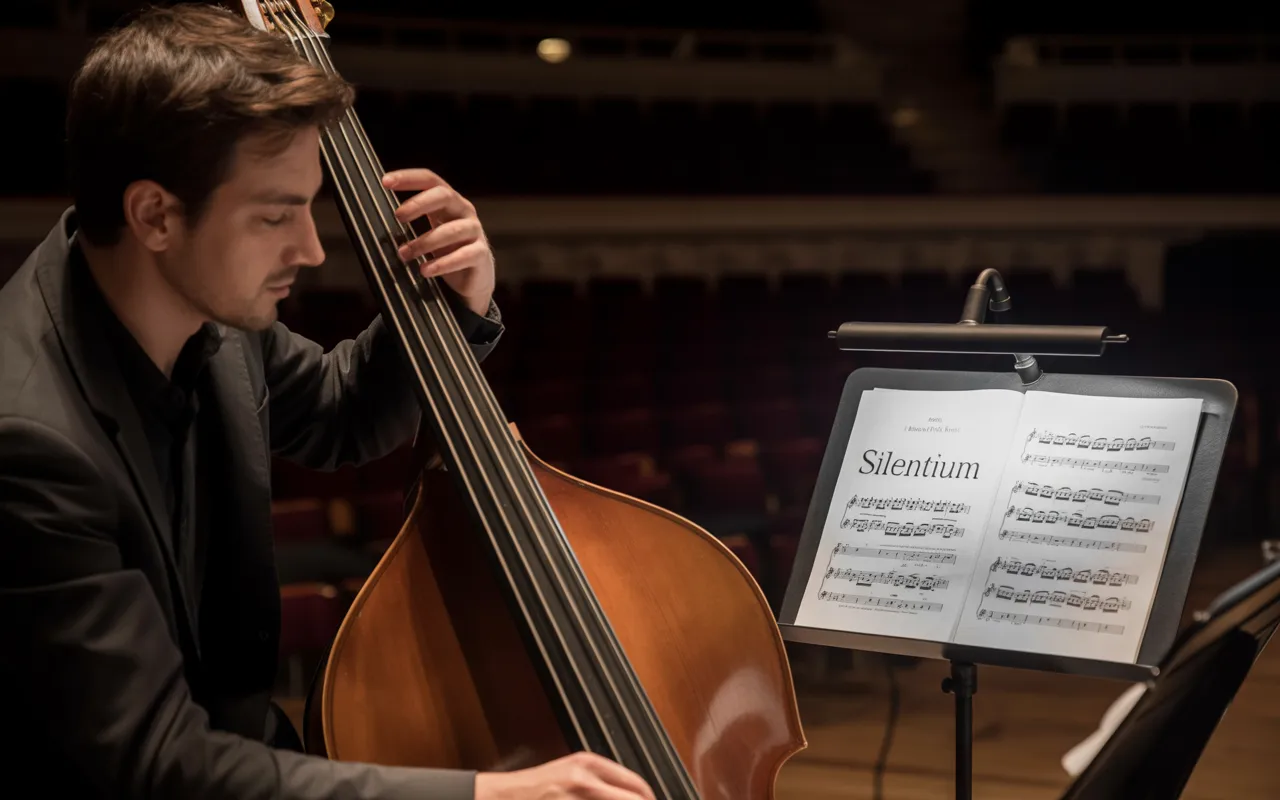
Silentium Tatyana Smirnova Bass Score: Complete Guide for Musicians and Music Lovers
Music often speaks most powerfully in moments of silence. The composition “Silentium” by Tatyana Smirnova is one of those rare works that explores stillness, emotion, and deep musical expression. For bass players, the Silentium Tatyana Smirnova bass score offers a unique opportunity to explore tone, dynamics, and phrasing in a refined and expressive way.
In this detailed guide, we will explore everything about the Silentium bass score, including its musical structure, performance techniques, interpretation tips, and where to find reliable sheet music sources. Whether you are a beginner bass player, advanced musician, or music educator, this article will help you understand the deeper meaning behind this piece.
Who Is Tatyana Smirnova?
Tatyana Smirnova is known for her emotionally expressive compositions and contributions to modern classical and instrumental music. Her works often blend classical traditions with modern minimalism.
Her composition Silentium reflects a philosophical theme: the beauty of silence and introspection. This musical idea has been explored in literature and music throughout history, including in works inspired by the poem Silentium by Fyodor Tyutchev.
Smirnova’s music frequently includes:
- Emotional melodic lines
- Minimalist structures
- Expressive dynamics
- Atmospheric harmony
The bass score of Silentium reflects these elements in subtle but powerful ways.
Understanding the Silentium Bass Score
The Silentium Tatyana Smirnova bass score is designed to highlight the emotional depth of the bass instrument. Unlike fast or technically aggressive bass compositions, Silentium focuses on tone control, resonance, and phrasing.
Key Characteristics
| Element | Description |
|---|---|
| Tempo | Slow to moderate |
| Style | Contemporary classical |
| Mood | Meditative and introspective |
| Instrument | Bass (often electric or double bass depending on arrangement) |
| Technique | Sustained notes, dynamic control |
The bass part acts as a foundation for the composition, guiding the emotional atmosphere rather than dominating the melody.
Musical Structure of Silentium
The structure of Silentium can be divided into several musical sections.
1. Introduction – Atmospheric Foundation
The introduction usually begins with soft sustained bass notes.
Purpose:
- Establish mood
- Create musical space
- Prepare harmonic context
Bass players should focus on:
- Clean tone
- Smooth sustain
- Controlled vibrato
2. Development Section – Emotional Expansion
In this part, the bass score gradually introduces more movement.
Typical elements include:
- Slow melodic phrases
- Dynamic variation
- Subtle harmonic shifts
The bass line here becomes more expressive while still maintaining the contemplative nature of the piece.
3. Climax – Emotional Peak
Although Silentium is generally quiet, it still contains a musical climax.
During this section:
- The bass may move into a slightly higher register
- Dynamics increase
- Harmonic tension develops
The goal is not loudness but emotional intensity.
4. Resolution – Return to Silence
The final section returns to the minimalist theme of the introduction.
Characteristics:
- Fewer notes
- Long sustained tones
- Gradual fading dynamics
This reinforces the philosophical concept of silence as expression.
Bass Techniques Required for Silentium
To perform the Silentium bass score effectively, musicians need strong control over several techniques.
1. Sustain and Tone Control
The bass notes must be rich and resonant.
Tips:
- Use fresh strings
- Play closer to the neck for warmth
- Control finger pressure carefully
2. Dynamic Control
Silentium relies heavily on dynamic contrast.
Bass players must master:
- Pianissimo playing
- Gradual crescendos
- Controlled decrescendos
3. Vibrato
A subtle vibrato helps bring emotional depth to sustained notes.
Avoid:
- Fast vibrato
- Overly dramatic pitch movement
Instead, aim for slow expressive vibrato.
4. Space and Timing
One of the most important aspects is respecting silence between notes.
This means:
- Do not rush transitions
- Allow notes to decay naturally
- Follow the tempo carefully
Example Bass Interpretation
Here is a simple conceptual example inspired by the style of the Silentium bass score:
| Measure | Notes | Technique |
|---|---|---|
| 1 | Low E | Sustained |
| 2 | Rest | Silence |
| 3 | G – F# | Legato phrase |
| 4 | D | Vibrato sustain |
This kind of spacing creates the meditative character of the piece.
Why Silentium Is Special for Bass Players
Many bass compositions focus on speed or groove. Silentium is different.
It emphasizes:
- Emotional storytelling
- Minimalist expression
- Tone and texture
This makes it an excellent study piece for advanced musicality.
Bass players who practice Silentium often improve their:
- Phrasing
- Dynamic control
- Musical patience
Musical Influences Behind Silentium
The piece draws inspiration from several musical traditions.
Minimalism
Similar concepts appear in works by composers like:
- Arvo Pärt
- Philip Glass
These composers emphasize repetition, space, and tonal simplicity.
Russian Romantic Expression
The emotional depth of Silentium also reflects the legacy of Russian composers such as:
- Sergei Rachmaninoff
- Pyotr Ilyich Tchaikovsky
Their influence can be heard in the melancholic atmosphere and harmonic richness.
Where to Find the Silentium Bass Score
If you want the Silentium Tatyana Smirnova bass score, several platforms offer sheet music.
1. Sheet Music Libraries
Popular sources include:
- https://imslp.org
- https://musescore.com
- https://sheetmusicplus.com
These sites often host arrangements or transcriptions.
2. Music Education Platforms
Some music schools and online academies provide the score as part of their curriculum.
Examples include:
- Berklee Online
- Coursera music programs
- Music conservatories
3. Official Publisher Sources
Always check if the composer or publisher provides authorized sheet music versions.
Official sources ensure:
- Correct notation
- Accurate dynamics
- Authentic interpretation
Practice Tips for Bassists
If you’re learning the Silentium bass score, these strategies will help.
Practice Strategy
- Start at half tempo
- Focus on tone before speed
- Record your performance
- Listen for dynamic balance
Helpful Exercises
- Long tone practice
- Dynamic control exercises
- Slow phrasing practice
Frequently Asked Questions (FAQ)
What is the Silentium Tatyana Smirnova bass score?
The Silentium bass score is a musical arrangement of the composition Silentium that features bass as a primary or supporting instrument. It emphasizes tone, silence, and emotional expression rather than speed or technical complexity.
Is Silentium difficult to play on bass?
Technically, it is not extremely fast or complex. However, it requires advanced musical control, especially in areas like tone, dynamics, and phrasing.
Can beginners learn Silentium?
Yes, beginners can attempt simplified versions. However, the piece is best suited for intermediate to advanced bass players who can control dynamics and sustain.
What style of music is Silentium?
Silentium is generally considered contemporary classical or minimalist music, focusing on atmosphere and emotional depth.
Where can I download the Silentium bass score?
You may find sheet music on platforms such as:
- IMSLP
- MuseScore
- Sheet Music Plus
Always check for legal and authorized versions.
Conclusion
The Silentium Tatyana Smirnova bass score is more than just a musical piece. It is a study in silence, emotion, and musical restraint. For bass players, it offers a rare chance to focus on tone, phrasing, and expressive performance rather than speed or technical flash.
By studying this composition carefully, musicians can develop deeper musical sensitivity and improve their ability to communicate emotion through sound.
If you are serious about mastering expressive bass playing, Silentium is a powerful piece to add to your repertoire.