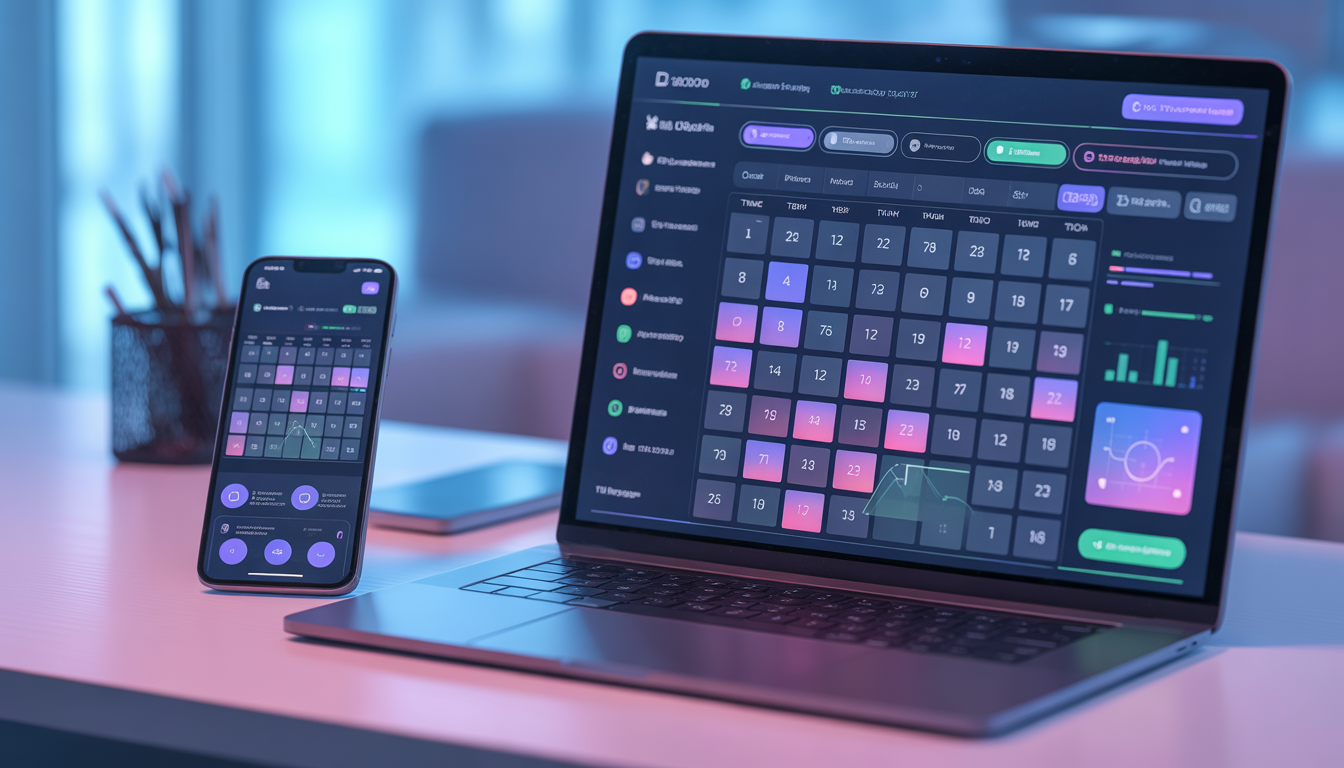
In the digital age, new terms frequently appear as technology evolves. One such emerging concept gaining attention online is schedow. While it may sound unfamiliar at first, schedow represents a modern approach to planning, productivity, and digital workflow management.
People today rely on sophisticated tools to organise their time, coordinate teams, and manage tasks efficiently. Schedow reflects this shift toward smart scheduling systems, automation, and adaptive planning.
In this comprehensive guide, we will explore:
- What schedow means
- The origins of the term
- How schedow works
- Real-world applications
- Benefits and challenges
- Tools that follow schedow principles
- The future of digital scheduling
By the end of this article, you will have a complete understanding of schedow and why it matters in modern productivity systems.
What Is Schedow?
Schedow is a modern concept of digital scheduling and workflow management that blends structured planning with flexible automation. Instead of rigid timetables, schedow systems adapt to real-life changes and help users manage tasks dynamically.
In simple terms:
Schedow = Schedule + Shadow
The idea combines the structured nature of scheduling with the “shadow” concept of background processes or unseen adjustments that keep systems running smoothly.
Key characteristics of schedow
- Flexible time management
- Adaptive scheduling systems
- Automation of tasks and workflows
- Integration with digital tools
- Real-time adjustments when plans change
Unlike traditional scheduling methods, schedow emphasises adaptability rather than rigid planning.
The Origin and Evolution of the Term “Schedow”
The word “schedow” does not come from traditional dictionaries. Instead, it is considered a modern coined term created in digital communities and productivity discussions.
Experts believe the term emerged from:
- Online productivity blogs
- Digital workflow tools
- Technology discussions
- Creative branding in software development
Many writers interpret the name as a blend of “schedule” and “shadow”, suggesting systems that organise time while working quietly in the background.
Why the Keyword “Schedow” Is Trending
Search interest in schedow has grown rapidly due to several global trends.
1. Increased Focus on Productivity
People want better ways to manage time, especially with remote work and digital collaboration.
2. Growth of Automation Tools
Automation tools can schedule tasks, reminders, and processes without manual input.
3. Digital Workflow Systems
Modern organisations rely on software systems that integrate scheduling with project management.
4. Curiosity Around New Tech Terms
When users encounter unfamiliar words in dashboards or blogs, they search online to understand them.
How Schedow Works in Modern Digital Systems
Schedow operates through smart scheduling frameworks that adjust automatically based on user behaviour and external factors.
Core process
- User creates tasks or events
- The system analyses priorities and deadlines
- Tasks are scheduled automatically
- Adjustments happen if something changes
- Notifications keep users updated
This dynamic process helps maintain productivity without forcing rigid schedules.
Key Features of Schedow Systems
Modern schedow-based tools include several powerful features.
1. Smart Scheduling
Tasks are arranged automatically based on priority and available time.
2. Real-Time Adjustments
If a meeting runs late or a task takes longer than expected, the schedule updates automatically.
3. Task Management Integration
Schedow systems combine scheduling with project management.
4. Collaboration Tools
Teams can coordinate tasks and deadlines within shared schedules.
5. Cross-Platform Access
Users can access schedules on mobile, desktop, and cloud platforms.
Examples of Schedow in Real Life
Schedow principles are used in many industries.
Business
Companies use smart scheduling tools for:
- Meeting management
- Project deadlines
- Staff planning
Education
Students rely on scheduling systems to manage:
- Study plans
- Assignments
- Exam preparation
Healthcare
Hospitals depend on scheduling frameworks for:
- Doctor shifts
- Patient appointments
- Emergency rotations
Personal Productivity
Individuals apply schedow ideas to manage:
- Daily routines
- Fitness schedules
- Travel plans
Popular Scheduling Tools Related to Schedow
Several well-known productivity platforms reflect schedow principles.
| Tool | Purpose | Key Feature |
|---|---|---|
| Google Calendar | Event scheduling | Cross-device synchronisation |
| Notion | Productivity management | Custom workflow systems |
| Trello | Project organisation | Visual task boards |
| Asana | Team collaboration | Deadline tracking |
| Microsoft Outlook | Email & calendar | Meeting scheduling |
Example external references:
- https://en.wikipedia.org/wiki/Time_management
- https://en.wikipedia.org/wiki/Scheduling_(computing)
These tools demonstrate how schedow concepts are already shaping digital productivity systems.
Benefits of Using Schedow
Adopting schedow-based systems can dramatically improve efficiency.
1. Increased Productivity
Smart scheduling ensures tasks are prioritised effectively.
2. Reduced Stress
When plans adapt automatically, users feel less pressure.
3. Better Work-Life Balance
Flexible schedules help balance work responsibilities and personal life.
4. Improved Collaboration
Teams can coordinate projects with shared scheduling tools.
5. Data-Driven Insights
Analytics help identify productivity patterns.
Schedow vs Traditional Scheduling
| Feature | Schedow | Traditional Scheduling |
|---|---|---|
| Flexibility | High | Low |
| Automation | Yes | No |
| Real-time adjustments | Yes | Rare |
| Collaboration | Built-in | Limited |
| Productivity insights | Data-driven | Minimal |
Schedow clearly represents a more modern and adaptive approach to time management.
Challenges and Limitations of Schedow
Despite its advantages, schedow systems also have potential drawbacks.
1. Over-Reliance on Technology
Heavy dependence on apps can reduce manual planning skills.
2. Learning Curve
Some advanced scheduling tools can be difficult to understand initially.
3. Data Privacy Concerns
Cloud-based scheduling systems may store sensitive information.
4. Over-Scheduling
Too many automated tasks may overwhelm users.
The Future of Schedow
The schedow concept is expected to evolve alongside emerging technologies.
Future developments may include:
- AI-powered scheduling assistants
- Predictive productivity analytics
- Voice-controlled planning systems
- Integration with wearable devices
- Automated team coordination
Artificial intelligence could soon transform schedow systems into fully intelligent productivity managers.
On-Page SEO Optimisation
Primary Keyword
- schedow
Semantic Keywords
- schedow meaning
- schedow scheduling system
- digital schedow tools
- smart scheduling concept
- productivity scheduling framework
Suggested Image Ideas
- Digital calendar dashboard
- Alt text: schedow digital scheduling interface
- Team productivity planning board
- Alt text: schedow workflow management system
- Modern productivity apps on laptop
- Alt text: schedow productivity tools concept
Frequently Asked Questions (FAQs)
What does schedow mean?
Schedow is a modern concept related to flexible digital scheduling systems and adaptive workflow management. It combines traditional scheduling with automated adjustments to improve productivity.
Is schedow a real software tool?
Not exactly. Schedow is often described as a concept or framework rather than a single product. However, many productivity tools implement similar principles.
Why is schedow becoming popular?
Schedow is gaining popularity because people need more flexible and intelligent scheduling solutions in modern digital workplaces.
Can schedow improve productivity?
Yes. By automatically organising tasks and adjusting schedules, schedow systems help users focus on high-priority work.
Is schedow suitable for teams?
Absolutely. Many project management tools apply schedow principles to help teams coordinate tasks, deadlines, and meetings.
Conclusion
Schedow represents a new way of thinking about scheduling and productivity in the digital era. Rather than rigid timetables, it embraces flexibility, automation, and intelligent adjustments.
As work environments become more complex and digital tools continue to evolve, schedow systems are likely to become even more important. From personal time management to large-scale project coordination, this concept offers a powerful framework for organising modern life.
In the coming years, the integration of artificial intelligence, automation, and data-driven insights will likely transform schedow into an essential part of digital productivity ecosystems.