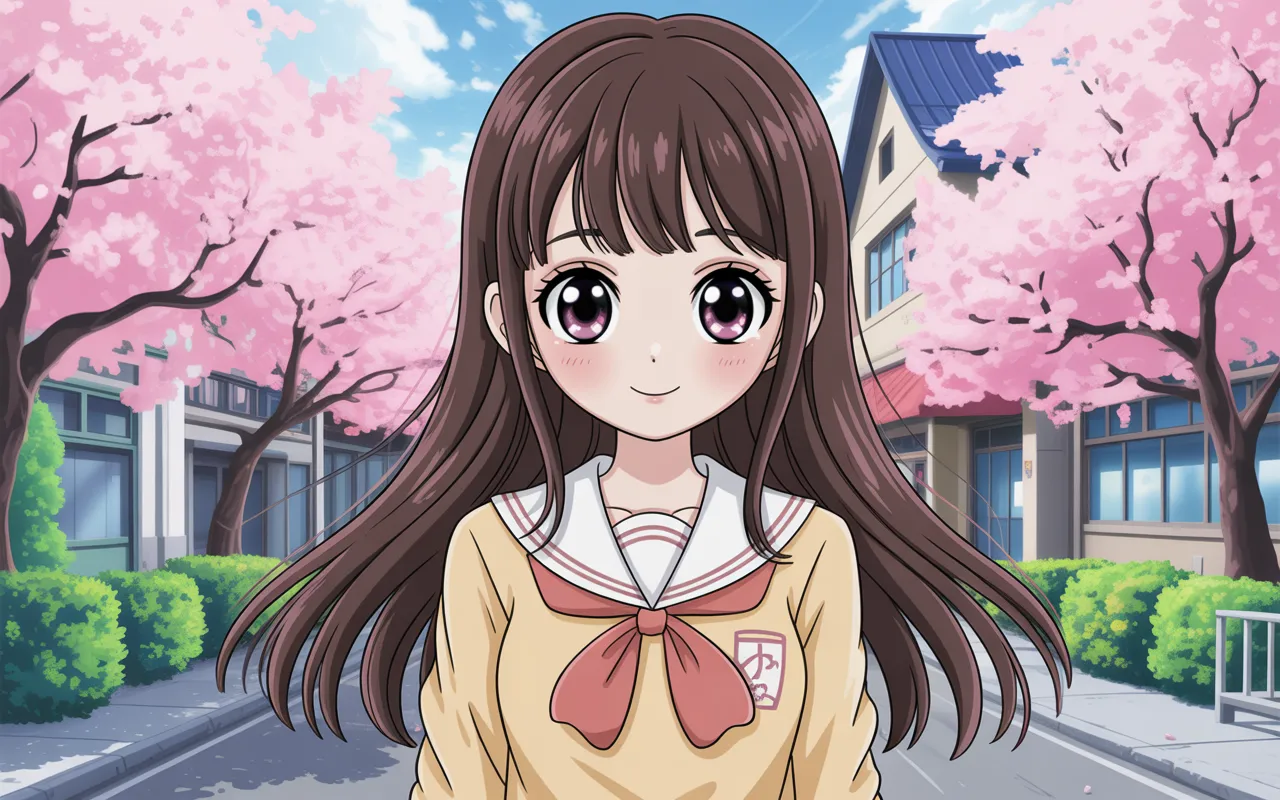
The internet has introduced many niche terms that eventually become cultural phenomena. One such term is “dojen moe.” While not as widely known as mainstream anime terminology, it is increasingly searched by fans exploring anime culture, fan art, and independent manga communities.
To understand dojen moe, we need to explore its roots in Japanese fan culture, particularly within the worlds of Moe, Anime, Manga, and Doujinshi. Together, these elements create a unique aesthetic and emotional style beloved by fans around the world.
In this comprehensive guide, we will explore:
- The definition and meaning of dojen moe
- Its origins in Japanese fan culture
- The artistic characteristics that define it
- Why fans connect emotionally with moe-style characters
- The impact on anime, gaming, and online communities
- Examples of dojen moe in modern media
- How creators produce their own dojen moe content
By the end of this article, you will have a clear understanding of why this niche concept continues to gain popularity globally.
What Does Dojen Moe Mean?
The phrase dojen moe is often understood as a blend of two ideas:
| Term | Meaning |
|---|---|
| Dojen (Doujin) | Independent or fan-created works, usually manga or illustrations |
| Moe | A feeling of affection or emotional attachment toward fictional characters |
Combined, dojen moe refers to:
Fan-created works that emphasise cute, emotionally appealing characters designed to evoke affection or protectiveness.
In other words, it is independent art or storytelling focused on the moe aesthetic.
This kind of content commonly appears in:
- Fan comics
- Web manga
- Independent visual novels
- Fan illustrations
- Anime-style online art
Many creators publish these works through fan communities or at events like Comic Market, the world’s largest convention for self-published works.
The Origins of Moe Culture
To understand dojen moe fully, we must first understand moe itself.
The concept of Moe emerged in Japanese fan communities in the 1990s. It describes the emotional response fans feel when seeing characters who are:
- Cute
- Innocent
- Vulnerable
- Sweet or awkward
- Emotionally expressive
Unlike simple “cute” designs, moe characters create emotional attachment.
For example, fans might feel protective toward a shy character or emotionally invested in their story.
Many iconic anime series popularised the moe aesthetic, including:
- K-On!
- Lucky Star
These shows feature characters designed specifically to evoke warmth, nostalgia, and affection.
The Role of Doujin Culture
Another key component of dojen moe is doujin culture.
The Japanese term Doujinshi refers to independently produced works created by fans or amateur artists.
These works may include:
- Fan manga
- Original comics
- Fan fiction
- Game mods
- Illustrations
Unlike mainstream publishing, doujin creators operate without large studios or publishers.
They often share their work through platforms such as Pixiv, where artists post illustrations and build fan followings.
This independent culture allows creators to experiment with styles like dojen moe.
Key Characteristics of Dojen Moe
Dojen moe art and stories share several recognisable traits.
1. Cute Character Design
Characters typically feature:
- Large expressive eyes
- Soft facial expressions
- Rounded features
- Small bodies or chibi proportions
These visual elements reinforce the moe aesthetic.
2. Emotional Simplicity
Stories often focus on:
- Friendship
- School life
- Small everyday moments
- Personal growth
Rather than epic action plots, dojen moe highlights emotional warmth and relatability.
3. Gentle Atmosphere
Dojen moe stories often emphasise:
- Comfort
- Nostalgia
- Humour
- Slice-of-life storytelling
This creates a relaxing experience for readers.
4. Fan-Driven Creativity
Because dojen moe originates in fan communities, creators often experiment with:
- Alternate storylines
- Character reinterpretations
- Crossovers
Fans enjoy seeing beloved characters in new scenarios.
Examples of Moe Characters in Popular Media
Many famous characters demonstrate the core elements of moe.
Below is a simplified table showing common moe traits.
| Character Type | Traits | Example |
|---|---|---|
| Shy girl | Quiet, gentle personality | Seen in many slice-of-life anime |
| Energetic friend | Cheerful and supportive | Often comedic relief |
| Clumsy student | Accident-prone but lovable | Creates emotional sympathy |
| Innocent idol | Pure personality | Common in music-themed anime |
Characters like Hatsune Miku also demonstrate how moe aesthetics can extend beyond anime into music and digital culture.
Why Fans Love Dojen Moe
There are several reasons why dojen moe resonates strongly with fans.
Emotional Connection
Moe characters trigger emotional responses similar to those people feel toward pets or younger siblings.
Fans often describe the feeling as:
- Protective
- Affectionate
- Comforting
Relatable Stories
Many dojen moe works focus on everyday experiences such as:
- School life
- Friendships
- Hobbies
- Personal struggles
This relatability makes characters feel more human.
Creative Freedom
Because dojen moe often appears in independent works, creators have freedom to experiment with:
- Art styles
- Character personalities
- Story structures
This leads to a diverse range of creative content.
The Impact of Dojen Moe on Anime Culture
Although dojen moe originates in fan communities, it has influenced mainstream anime production.
Studios like Kyoto Animation helped popularise the moe aesthetic globally.
Their works emphasise:
- Warm storytelling
- Cute character design
- Emotional realism
These elements have become common in modern anime.
The Growth of Online Dojen Moe Communities
The internet dramatically expanded the reach of dojen moe content.
Today, creators share their work through:
- Art platforms
- Social media
- Digital manga websites
- independent publishing platforms
This global network allows artists from different countries to contribute to the culture.
Popular platforms include:
- Pixiv
- Fan forums
- Online comic platforms
These communities support both amateur and professional creators.
How Artists Create Dojen Moe Art
Artists interested in creating dojen moe content often follow a few design principles.
Character Design Tips
To create moe-style characters:
- Use large expressive eyes
- Add soft colour palettes
- Focus on subtle facial expressions
- Emphasise cute gestures or poses
Storytelling Tips
Good dojen moe stories often include:
- Everyday life events
- Character relationships
- Emotional development
- Light humour
These elements help audiences form strong emotional connections.
Differences Between Moe and Other Anime Styles
Not all anime art is considered moe.
Here is a comparison.
| Style | Focus | Tone |
|---|---|---|
| Moe | Cute characters & emotions | Warm, comforting |
| Shonen | Action and adventure | Energetic |
| Seinen | Mature themes | Complex |
| Horror | Fear and suspense | Dark |
Dojen moe belongs firmly in the emotion-driven storytelling category.
SEO and Digital Culture: Why Dojen Moe Is Trending
Interest in niche anime culture continues to grow globally.
Search trends show increasing curiosity about:
- Fan art communities
- Independent manga creation
- Anime aesthetics
- Online fandom culture
Dojen moe sits at the intersection of all these topics.
It represents grassroots creativity within anime fandom.
How Dojen Moe Influences Modern Creators
Many modern anime creators began their careers in doujin communities.
These independent projects allow artists to:
- Develop their style
- Build fan audiences
- Experiment creatively
Some professional manga artists first gained recognition through doujin publications before entering mainstream publishing.
Future of Dojen Moe Culture
Dojen moe is likely to grow as digital platforms continue expanding.
Key trends include:
- Digital self-publishing
- Global fan collaboration
- AI-assisted art tools
- Web manga platforms
As anime fandom grows internationally, fan-driven creativity will remain an important part of the culture.
Image Suggestions for SEO
If publishing this article online, include images with optimised alt text.
Examples:
| Image | Suggested Alt Text |
|---|---|
| Moe anime character illustration | “Dojen moe anime character design example” |
| Fan manga panel | “Independent doujinshi manga artwork” |
| Anime convention | “Comic Market doujinshi fan convention in Japan” |
These help improve image search visibility.
FAQ: Dojen Moe Explained
What does dojen moe mean?
Dojen moe refers to fan-created works featuring moe-style characters, typically shared in doujin or independent manga communities.
Is dojen moe an official anime genre?
No. It is more accurately described as a fan culture aesthetic rather than a formal genre.
Where can I find dojen moe art?
Common platforms include:
- Pixiv
- Fan art forums
- Independent manga websites
- Doujin events such as Comic Market
Why are moe characters popular?
They evoke emotional responses such as affection, nostalgia, and protectiveness, making them highly memorable.
Can beginners create dojen moe content?
Yes. Many artists begin by:
- Posting fan art online
- Creating web comics
- Participating in fan communities
Dojen culture is open and encourages creativity.
On-Page SEO Keyword Strategy
Primary keyword:
- dojen moe
Semantic keywords:
- moe anime style
- doujin fan art
- moe character design
- anime fan culture
- independent manga artists
LSI keywords:
- cute anime characters
- moe aesthetic
- slice-of-life anime style
- fan manga communities
Conclusion
Dojen moe represents one of the most charming aspects of anime culture: fan creativity combined with emotional storytelling.
Rooted in the traditions of Doujinshi and inspired by the emotional appeal of Moe, this niche art style continues to flourish within global anime communities.
Its appeal lies in:
- Cute and expressive character design
- Warm and relatable stories
- Creative freedom for independent artists
As online communities continue to grow, dojen moe will likely remain an important part of anime fandom and digital art culture.
Whether you are an anime fan, an aspiring artist, or simply curious about internet subcultures, exploring dojen moe offers a fascinating look into the heart of fan-driven creativity.