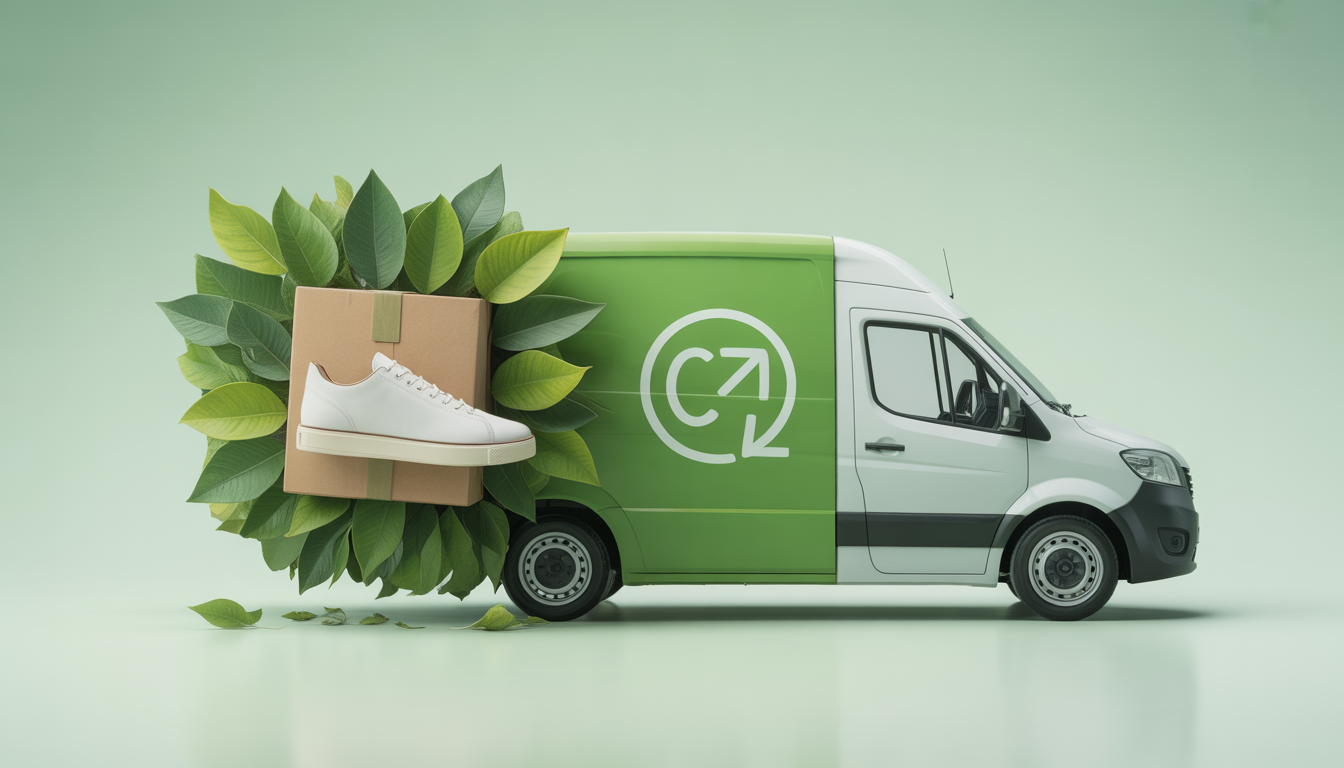
In today’s world, sustainability is no longer a luxury—it’s an expectation. Consumers are becoming increasingly conscious about their environmental footprint, and brands are responding by adopting eco-friendly practices. One such initiative gaining attention is BestShoesEverShop carbon neutral shipping.
But what does it actually mean? Is it truly effective? And how can you, as a customer or business owner, benefit from it?
This in-depth guide explores everything you need to know—from how carbon neutral shipping works to its real-world impact on the environment and your shopping decisions.
What is Carbon Neutral Shipping?
Carbon neutral shipping refers to the process of offsetting carbon emissions generated during delivery. Every shipment—whether by air, road, or sea—produces greenhouse gases, primarily carbon dioxide (CO₂).
To counterbalance this, companies:
- Measure emissions produced during shipping
- Invest in environmental projects (carbon offsets)
- Aim to reduce overall carbon footprint
How It Works
- Calculate Emissions
Shipping distance, package weight, and transport type are analysed. - Offset Emissions
Companies invest in:- Renewable energy projects
- Reforestation programmes
- Methane capture initiatives
- Achieve Neutrality
The emissions produced are balanced by reductions elsewhere.
Why BestShoesEverShop Carbon Neutral Shipping Matters
BestShoesEverShop is positioning itself as a sustainability-conscious retailer by adopting carbon neutral delivery practices.
Key Benefits
- 🌍 Reduced Environmental Impact
Lower carbon footprint from every order. - Eco-Conscious Shopping
Customers can shop guilt-free. - Brand Trust & Loyalty
Transparency builds credibility. - Support for Green Projects
Funds climate-positive initiatives worldwide.
The Environmental Impact of Traditional Shipping
Before understanding the benefits, it’s important to look at the problem.
Shipping Emissions Breakdown
| Transport Method | CO₂ Emissions Level | Speed | Environmental Impact |
|---|---|---|---|
| Air Freight | Very High | Fast | Worst |
| Road Transport | Moderate | Medium | Significant |
| Sea Freight | Lower | Slow | Still impactful |
Even a single online order can contribute significantly to emissions, especially when using express delivery.
How BestShoesEverShop Implements Carbon Neutral Shipping
BestShoesEverShop integrates sustainability into its logistics through several methods:
1. Smart Logistics Optimisation
- Route planning to reduce fuel consumption
- Efficient warehouse locations
2. Eco-Friendly Packaging
- Recyclable materials
- Reduced packaging size
- Minimal plastic use
3. Carbon Offset Partnerships
- Investing in verified environmental projects
- Supporting global climate initiatives
4. Customer Transparency
- Showing carbon impact at checkout
- Offering eco-shipping options
Carbon Offsetting Projects Explained
Carbon offsets are at the core of neutral shipping. Here are common project types:
Reforestation
Planting trees to absorb CO₂.
Renewable Energy
Funding solar, wind, or hydro projects.
Methane Capture
Preventing harmful gases from landfills.
Clean Water Projects
Reducing reliance on carbon-heavy infrastructure.
Pros and Cons of Carbon Neutral Shipping
Advantages
- Supports global climate goals
- Encourages responsible consumption
- Enhances brand image
- Often low-cost or free for customers
Disadvantages
- Does not eliminate emissions entirely
- Depends on quality of offset projects
- May increase shipping costs slightly
Is Carbon Neutral Shipping Truly Effective?
This is a common question—and the answer is nuanced.
What It Does Well
- Offsets unavoidable emissions
- Drives awareness about sustainability
- Funds critical environmental projects
What It Doesn’t Solve
- Overconsumption
- Fast fashion waste
- Inefficient logistics systems
Bottom line: It’s a step in the right direction, but not a complete solution.
How Customers Can Maximise the Impact
As a shopper, your choices matter.
Smart Shopping Tips
- Choose standard shipping over express
- Combine multiple items into one order
- Support eco-friendly brands like BestShoesEverShop
- Reuse or recycle packaging
Example: Carbon Neutral Order Journey
Here’s how a typical order works:
- You place an order for shoes
- Shipping emissions are calculated
- A small fee (or company-funded cost) offsets emissions
- Funds go to a climate project
- Your order is delivered with net-zero impact
Frequently Asked Questions (FAQ)
1. What does carbon neutral shipping mean?
It means the carbon emissions produced during delivery are offset by funding environmental projects that reduce or remove CO₂ from the atmosphere.
2. Does carbon neutral shipping cost more?
Sometimes there’s a small additional fee, but many companies (including BestShoesEverShop) absorb the cost or keep it minimal.
3. Is carbon offsetting reliable?
It depends on the quality of the project. Verified programmes with recognised standards are generally trustworthy.
4. Can shipping ever be completely emission-free?
Not entirely—yet. However, innovations like electric vehicles and green fuels are improving sustainability.
5. Why should I choose carbon neutral shipping?
It helps reduce your environmental impact and supports global climate initiatives without changing your shopping habits drastically.
6. Is BestShoesEverShop truly eco-friendly?
Their carbon neutral shipping initiative is a positive step, especially when combined with sustainable packaging and logistics practices.
Expert Insight (E-E-A-T Focus)
From an environmental and eCommerce perspective, carbon neutral shipping is increasingly becoming a baseline expectation rather than a premium feature.
Experts in sustainability suggest:
- Transparency is key
- Verified offsets matter more than claims
- Brands must combine offsetting with reduction strategies
Consumers should look for clear evidence, not just marketing terms.
Final Thoughts: Is BestShoesEverShop Carbon Neutral Shipping Worth It?
The shift towards sustainability in online shopping is not just a trend—it’s a necessity. BestShoesEverShop carbon neutral shipping represents a meaningful step towards reducing environmental harm.
While it’s not a perfect solution, it:
- Reduces the impact of deliveries
- Supports global environmental efforts
- Empowers customers to make better choices