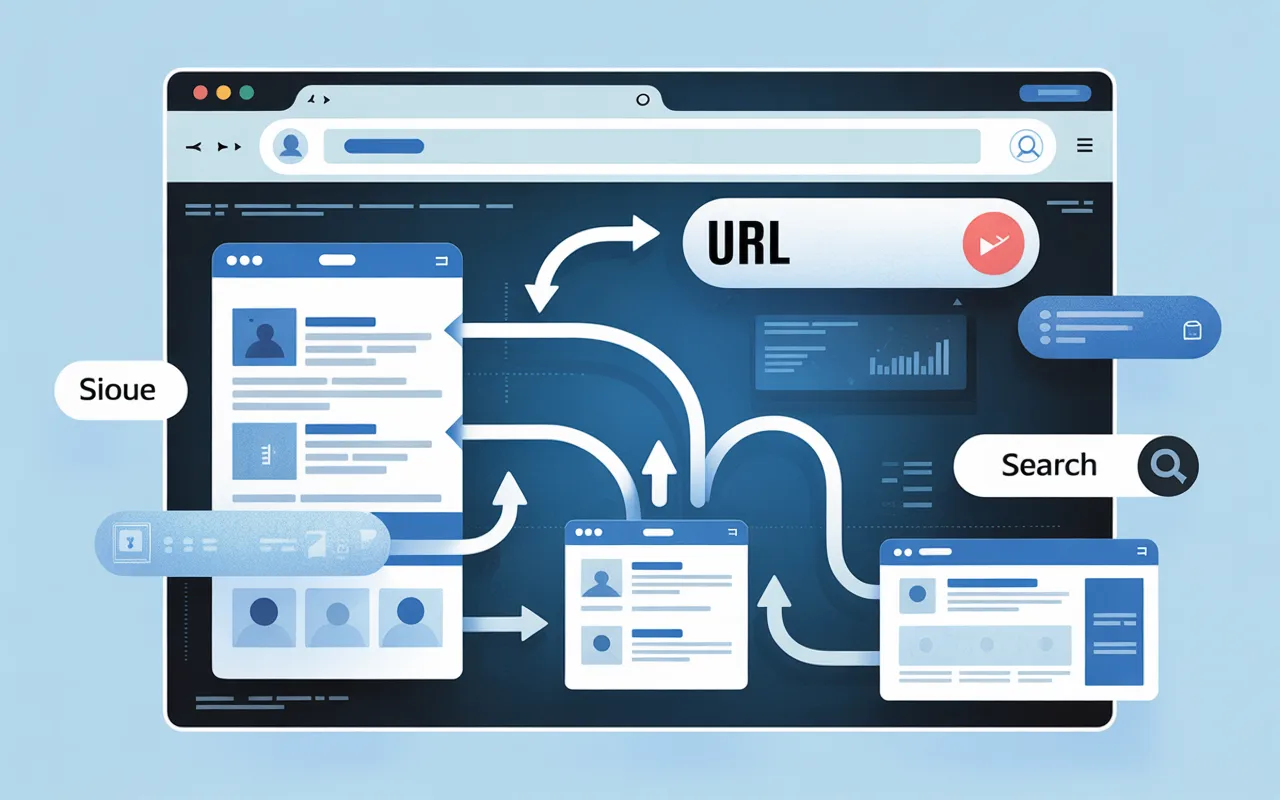
The digital world evolves rapidly, and new terms, tools, and concepts frequently appear in online marketing and web development. One term that has recently started appearing in discussions related to websites and optimization is URLWO. While many people encounter the term in forums, SEO discussions, or technical articles, they often wonder what it actually means and how it relates to website performance and search engine optimization.
Understanding URLWO is important for bloggers, marketers, developers, and business owners who want to improve their online presence. Whether you run a blog, manage an e-commerce store, or build websites professionally, learning about URLWO can help you structure content better and improve visibility in search engines.
In this detailed guide, we will explore everything you need to know about URLWO, including its meaning, benefits, practical applications, SEO impact, and best practices for implementation.
What Is URLWO?
URLWO is a term used to describe a structured approach to managing and optimizing URLs for websites. The concept revolves around organizing web addresses so that they are clear, readable, and optimized for both users and search engines.
A URL (Uniform Resource Locator) is the address used to access a webpage on the internet. Properly structured URLs make it easier for search engines to understand page content and improve indexing.
According to resources about URLs and web structure such as
https://en.wikipedia.org/wiki/URL, a well-formatted URL helps both users and search engines identify the context of a page quickly.
URLWO focuses on several important aspects:
- Clean and readable URL structures
- Keyword optimization within URLs
- Proper hierarchy and categorization
- Improved crawling and indexing
When implemented correctly, URLWO helps create a strong technical SEO foundation for any website.
Why URLWO Matters for SEO
Search engines like Google rely heavily on website structure to understand content. URLs play an important role in this process because they provide contextual signals about the page topic.
The concept behind URLWO emphasizes optimizing URLs so that they support overall SEO strategy.
Benefits include:
- Better search engine indexing
- Improved user experience
- Higher click-through rates
- Stronger keyword relevance
- Easier content organization
Google’s official documentation about search optimization also emphasizes the importance of clean URL structures in SEO:
https://developers.google.com/search/docs
A well-optimized URL is easier for search engines to crawl and interpret, which directly supports better ranking potential.
Key Components of URLWO
Understanding URLWO requires familiarity with the elements that make up an effective URL structure.
1. Clean URL Structure
A clean URL is short, descriptive, and easy to read.
Example:
Good URL
example.com/seo/urlwo-guide
Poor URL
example.com/index.php?id=7834&cat=22
Clean URLs help both users and search engines quickly understand the page topic.
2. Keyword Optimization
One important aspect of URLWO is including relevant keywords within URLs.
For example:
example.com/urlwo-seo-strategy
Search engines consider keywords in URLs as a ranking signal, though not a strong one compared to content and backlinks.
3. Logical Website Hierarchy
URLWO also emphasizes proper website structure.
Example hierarchy:
example.com
example.com/seo
example.com/seo/urlwo
example.com/seo/urlwo-guide
This hierarchy helps search engines understand the relationship between pages.
4. Readability and Simplicity
URLs should be easy for humans to read.
Example:
example.com/urlwo-explained
Instead of:
example.com/p?id=5473
Readable URLs improve user trust and encourage clicks.
URLWO vs Traditional URL Structures
To better understand URLWO, it helps to compare it with traditional URL approaches.
| Feature | Traditional URL | URLWO Approach |
|---|---|---|
| Readability | Often complex | Clean and simple |
| SEO value | Limited | Optimized for keywords |
| Structure | Random or technical | Organized hierarchy |
| User experience | Confusing | Easy to understand |
| Indexing | Less efficient | Search-engine friendly |
The main difference is that URLWO focuses on strategic URL planning instead of letting systems generate random or overly technical URLs.
Benefits of Using URLWO for Websites
Implementing URLWO practices can bring significant advantages to websites.
Improved SEO Performance
Search engines prefer structured websites. URLWO helps create logical URL patterns that support indexing and ranking.
Better User Experience
Visitors are more likely to trust and click on clear URLs.
Example:
example.com/urlwo-guide
This clearly indicates what the page contains.
Higher Click-Through Rates
When users see a descriptive URL in search results, they are more likely to click on it.
Easier Content Management
URLWO helps organize website content logically, which simplifies site management for administrators.
Stronger Brand Trust
Professional and structured URLs enhance brand credibility.
Practical Examples of URLWO
Let’s look at some practical examples of how URLWO might be used on different types of websites.
Blog Website
example.com/blog/urlwo-explained
example.com/blog/seo-tips
example.com/blog/content-marketing
E-commerce Website
example.com/shop/shoes/running-shoes
example.com/shop/electronics/laptops
News Website
example.com/news/technology/urlwo-trend
example.com/news/business/digital-marketing
Structured URLs help both users and search engines navigate content efficiently.
Best Practices for Implementing URLWO
If you want to implement URLWO on your website, follow these best practices.
Keep URLs Short
Short URLs perform better in search results.
Example:
example.com/urlwo-guide
Use Hyphens Instead of Underscores
Search engines recognize hyphens as word separators.
Correct
urlwo-guide
Incorrect
urlwo_guide
Avoid Special Characters
Characters such as ?, %, and & make URLs messy and harder to read.
Maintain Consistency
Once you establish a URL structure, maintain it across the website.
Use HTTPS
Secure websites improve trust and ranking potential.
More information about secure URLs can be found here:
https://en.wikipedia.org/wiki/HTTPS
Common URLWO Mistakes to Avoid
Even experienced website owners sometimes make mistakes with URL structures.
Common mistakes include:
- Using extremely long URLs
- Changing URLs frequently
- Including unnecessary parameters
- Ignoring keywords
- Creating duplicate URL versions
Avoiding these mistakes ensures that URLWO works effectively.
URLWO and Website Architecture
URLWO is closely connected to website architecture. A well-planned architecture improves navigation, internal linking, and search engine crawling.
Good architecture includes:
- Clear categories
- Logical subcategories
- Simple navigation
- Internal linking structure
Example structure:
Homepage
 ├── Blog
 │    ├── SEO
 │    │    ├── URLWO Guide
 │    │    └── Keyword Research
 │    └── Content Marketing
This structure helps search engines understand how pages relate to each other.
URLWO and Internal Linking
Internal linking plays a key role in strengthening the benefits of URLWO.
For example:
Related: [Your Article Title]
Internal links help distribute authority across pages and guide users to relevant content.
Benefits include:
- Improved crawlability
- Increased time on site
- Stronger topical authority
Image Optimization for URLWO Articles
Images also contribute to SEO and should be optimized when discussing URLWO topics.
Suggested Image Ideas
- Website URL structure diagram
- SEO website architecture chart
- Clean vs messy URL comparison
Suggested Alt Text
- “URLWO website structure example”
- “SEO optimized URL structure”
- “Clean URL hierarchy diagram”
Alt text helps search engines understand image content and improves accessibility.
Future of URLWO in SEO
As search engines become smarter, website structure will continue to play an important role in ranking algorithms.
URLWO principles align closely with modern SEO trends such as:
- User-focused design
- Structured data
- Technical SEO optimization
- Content hierarchy
Search engines aim to deliver the most relevant and easily understandable results to users, and well-structured URLs support that goal.
Frequently Asked Questions (FAQ)
What does URLWO stand for?
URLWO refers to a strategic approach to organizing and optimizing website URLs so they are readable, structured, and SEO-friendly.
Why are optimized URLs important?
Optimized URLs help search engines understand page topics and improve user trust, which can lead to better rankings and higher click-through rates.
Does URL structure affect SEO?
Yes. While it is not the strongest ranking factor, URL structure contributes to better indexing, user experience, and keyword relevance.
How long should a URL be?
Ideally, URLs should remain short and descriptive. Many SEO experts recommend keeping URLs under 60 characters when possible.
Should keywords be included in URLs?
Yes. Including relevant keywords helps search engines understand page context and improves visibility in search results.
Conclusion
URLWO highlights the importance of clean, structured, and optimized URLs in modern website development and search engine optimization. While many website owners focus mainly on content and backlinks, the structure of URLs often plays a hidden but crucial role in overall SEO success.
By implementing URLWO principles—such as readable URLs, logical hierarchy, and keyword optimization—you can create a stronger technical foundation for your website. These improvements help search engines crawl your site more efficiently while also making navigation easier for visitors.
In the long run, a well-organized URL structure contributes to better rankings, increased trust, and a more professional online presence.
If you are serious about improving your website’s SEO performance, start reviewing your URL structure today and apply the principles discussed in this guide.