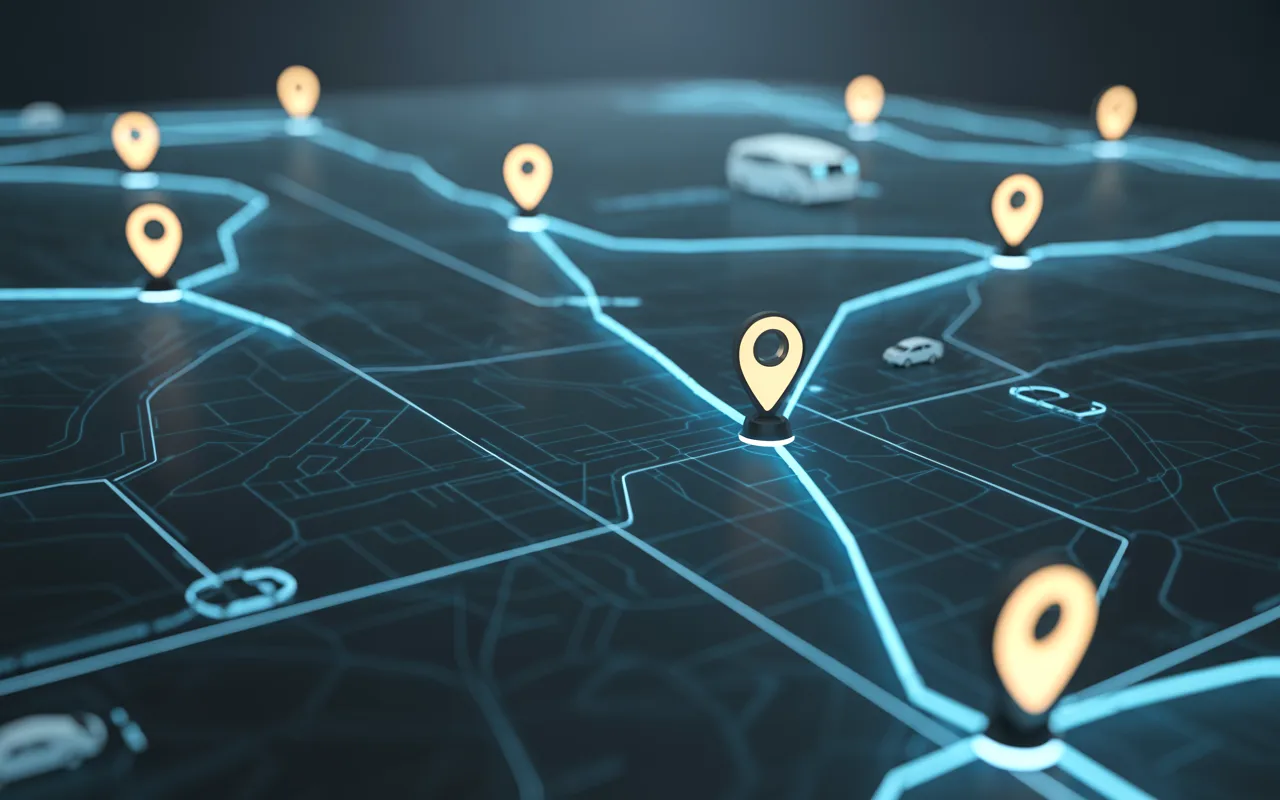
In today’s digital and connected world, tracking technology has become an essential part of everyday life. Whether it’s monitoring fitness activity, protecting vehicles from theft, analyzing website traffic, or managing logistics fleets, the concept of a tracqueur (tracker) plays a crucial role.
The word tracqueur generally refers to a device, software, or system designed to track location, activity, or behavior. These systems collect data and provide insights that help individuals and businesses make better decisions.
From advanced GPS tracking devices to sophisticated online analytics platforms like Google Analytics, tracqueurs are transforming industries such as transportation, health, cybersecurity, and marketing.
In this comprehensive guide, you’ll learn:
- What a tracqueur is
- Types of tracqueurs
- How tracking technology works
- Real-world applications
- Advantages and risks
- Security and privacy considerations
- The future of tracking systems
If you’re curious about tracking technology or planning to use a tracqueur system, this guide will give you everything you need to know.
What Is a Tracqueur?
A tracqueur is a system that monitors, records, and analyzes movement, activity, or behavior. It can be a physical device or software program that collects data over time.
Tracking systems usually rely on technologies such as:
- Satellite navigation
- Wireless communication
- Sensors
- Data analytics
- Cloud platforms
For example, a vehicle GPS device uses signals from the Global Positioning System to determine its exact location and send that data to an application.
Types of Tracqueur Technology
Tracking systems exist in many forms depending on their purpose.
Below are the most common types of tracqueurs.
1. GPS Tracqueur
A GPS tracker is one of the most widely used tracking technologies.
It determines location using satellites and transmits the information to a connected device.
Common Uses
- Vehicle tracking
- Fleet management
- Asset monitoring
- Personal safety
- Anti-theft protection
Example Use Case
A delivery company installs GPS tracqueurs in trucks to monitor:
- Route efficiency
- Fuel usage
- Driver behavior
- Delivery times
2. Fitness Tracqueur
Fitness trackers monitor physical activity and health metrics.
Popular wearable devices such as Fitbit Charge and Apple Watch track:
- Steps
- Heart rate
- Sleep patterns
- Calories burned
- Workout intensity
These tracqueurs help users maintain healthier lifestyles by analyzing personal health data.
3. Web Analytics Tracqueur
Online tracking tools monitor website visitor behavior.
Platforms like Google Analytics track:
- Page visits
- User demographics
- Bounce rates
- Traffic sources
- Conversion rates
This type of tracqueur is essential for digital marketing and SEO strategy.
Example:
An e-commerce store uses analytics tracking to identify which product pages convert best.
4. Asset Tracqueur
Asset tracking systems monitor valuable equipment and inventory.
Industries that rely heavily on asset tracking include:
- Logistics
- Construction
- Healthcare
- Manufacturing
Technologies used include:
- RFID tags
- Bluetooth tracking
- GPS monitoring
- IoT sensors
5. Security and Surveillance Tracqueur
Security tracking systems monitor suspicious activities.
Examples include:
- Security cameras
- Motion sensors
- Access control tracking
- Network monitoring software
Cybersecurity tools like Wireshark help track digital network traffic.
How Tracqueur Technology Works
Most tracking systems operate using three main components.
| Component | Function |
|---|---|
| Data Collection | Sensors or devices collect data |
| Transmission | Data is sent to servers via internet or satellite |
| Analysis | Software processes and displays the data |
Example Workflow
- A GPS tracker collects location coordinates.
- The device sends data to a cloud server.
- Software displays the movement on a digital map.
This system enables real-time tracking.
Key Technologies Behind Tracqueurs
Tracking technology relies on several advanced systems.
1. Satellite Navigation
The Global Positioning System uses satellites to calculate precise positions on Earth.
GPS is commonly used in:
- Navigation apps
- Fleet management
- Emergency services
2. RFID Technology
Radio Frequency Identification (RFID) uses wireless signals to track tagged objects.
Advantages include:
- No direct contact needed
- Fast scanning
- Ideal for inventory management
3. Bluetooth Tracking
Bluetooth tracqueurs help locate nearby devices.
Examples include:
- Key finders
- Luggage trackers
- Smart home monitoring
Popular trackers like Apple AirTag rely on Bluetooth and networked devices.
4. IoT (Internet of Things)
The Internet of Things connects smart devices to the internet.
IoT tracqueurs enable:
- Smart home monitoring
- Industrial automation
- Smart city infrastructure
Benefits of Using a Tracqueur
Tracking technology offers significant advantages for individuals and businesses.
Improved Security
Tracking systems help recover stolen assets and monitor suspicious activity.
Example:
- Vehicle GPS tracqueurs help police locate stolen cars quickly.
Better Business Efficiency
Companies use tracqueurs to optimize operations.
Benefits include:
- Route optimization
- Reduced fuel consumption
- Improved delivery times
Enhanced Personal Safety
Parents and caregivers often use trackers to monitor:
- Children
- Elderly family members
- Pets
Data-Driven Decision Making
Tracking systems provide valuable analytics.
Businesses can use this data to:
- Improve marketing campaigns
- Optimize product offerings
- Increase customer engagement
Tracqueur Use Cases Across Industries
Tracking technology is transforming multiple sectors.
Logistics and Transportation
Fleet management companies use GPS tracqueurs to track:
- Delivery vehicles
- Cargo shipments
- Driver performance
Major logistics companies rely heavily on tracking to ensure efficient delivery networks.
Healthcare
Healthcare tracqueurs monitor:
- Patient activity
- Medical equipment
- Hospital staff movement
Wearable health trackers help detect early signs of illness.
Retail
Retailers use tracking systems to monitor inventory and customer behavior.
Benefits include:
- Reduced stock loss
- Better supply chain visibility
- Personalized shopping experiences
Sports and Fitness
Athletes use tracqueurs to analyze performance metrics.
These include:
- Running speed
- Distance
- Heart rate zones
- Recovery time
Professional teams also use tracking sensors to improve training strategies.
Privacy and Ethical Concerns
While tracqueurs offer benefits, they also raise privacy concerns.
Tracking technologies can collect sensitive data such as:
- Location
- Behavior patterns
- Health information
- Browsing activity
Organizations must follow strict privacy regulations.
Examples include:
- GDPR in Europe
- Data protection laws worldwide
Users should always know what data is being collected and how it is used.
Best Practices for Using Tracqueurs Safely
To protect privacy and data security, follow these guidelines.
1. Use Trusted Devices
Choose trackers from reputable companies with strong security features.
2. Enable Encryption
Secure communication channels prevent unauthorized access to tracking data.
3. Control Data Sharing
Limit who can access your tracking information.
4. Update Software Regularly
Updates help fix vulnerabilities in tracking systems.
5. Understand Permissions
Always review what data a tracqueur app collects.
Future of Tracqueur Technology
Tracking technology continues to evolve rapidly.
Future innovations will include:
AI-Powered Tracking
Artificial intelligence will analyze large tracking datasets to detect patterns and predict behavior.
Smart Cities
Urban infrastructure will use tracqueurs to manage:
- Traffic flow
- Public transport
- Energy consumption
Advanced Wearables
Future health tracqueurs may detect diseases before symptoms appear.
Autonomous Vehicles
Self-driving vehicles will rely heavily on tracking systems and sensors to navigate safely.
Companies like Tesla are already integrating advanced sensor tracking technologies in autonomous driving systems.
SEO Optimization Tips for Articles About Tracqueur
To rank well in search engines, content should include related keywords and structured formatting.
Primary Keyword
- tracqueur
LSI Keywords
- tracking device
- GPS tracker
- digital tracking tools
- web analytics tracking
- asset tracking system
- real-time tracking
On-Page SEO Checklist
- Use keyword in title and headings
- Optimize meta description
- Add internal links
- Include structured headings (H2, H3)
- Use descriptive image alt text
Image Suggestions (SEO Optimized)
If adding images to your article, consider these ideas.
| Image Type | Alt Text Suggestion |
|---|---|
| GPS tracker device | “GPS tracqueur device for vehicle tracking” |
| Fitness tracker watch | “Wearable fitness tracqueur monitoring heart rate” |
| Website analytics dashboard | “Digital tracqueur analytics dashboard example” |
| Logistics tracking map | “Fleet tracqueur real-time vehicle tracking system” |
Internal Linking Suggestions
To strengthen SEO authority, link related articles.
Examples:
- Related: [How GPS Tracking Works]
- Related: [Best Fleet Management Software]
- Related: [Top Fitness Trackers for Health Monitoring]
- Related: [Complete Guide to IoT Devices]
Frequently Asked Questions (FAQ)
What does tracqueur mean?
A tracqueur refers to a tracking system or device used to monitor movement, behavior, or activity. It can include GPS trackers, fitness wearables, or digital analytics software.
How does a GPS tracqueur work?
A GPS tracqueur receives signals from satellites in the Global Positioning System to calculate its location and transmit that information to a connected device or application.
Are tracqueurs legal?
Yes, most tracqueurs are legal when used responsibly. However, tracking someone without consent may violate privacy laws in many countries.
What industries use tracking technology?
Many industries use tracqueurs, including:
- Transportation
- Healthcare
- Retail
- Security
- Sports
- Digital marketing
Can tracqueurs be hacked?
Like any connected device, tracqueurs can be vulnerable to cyberattacks if poorly secured. Using encrypted devices and updating software reduces risk.
What is the difference between a tracker and a tracqueur?
The term tracqueur is simply a French-influenced spelling of “tracker.” Both refer to systems designed to monitor or track data.
Conclusion
Tracking technology has become an essential tool in modern society. From monitoring health and securing assets to optimizing business operations and analyzing online behavior, tracqueurs provide powerful insights through real-time data collection.
Thanks to innovations in satellite navigation, IoT devices, and artificial intelligence, tracking systems will continue to grow more sophisticated and valuable.
However, as tracqueur technology evolves, it is equally important to maintain privacy, transparency, and ethical data usage.
Whether you’re a business owner, tech enthusiast, or everyday user, understanding how tracqueurs work will help you make smarter decisions when adopting tracking technology.