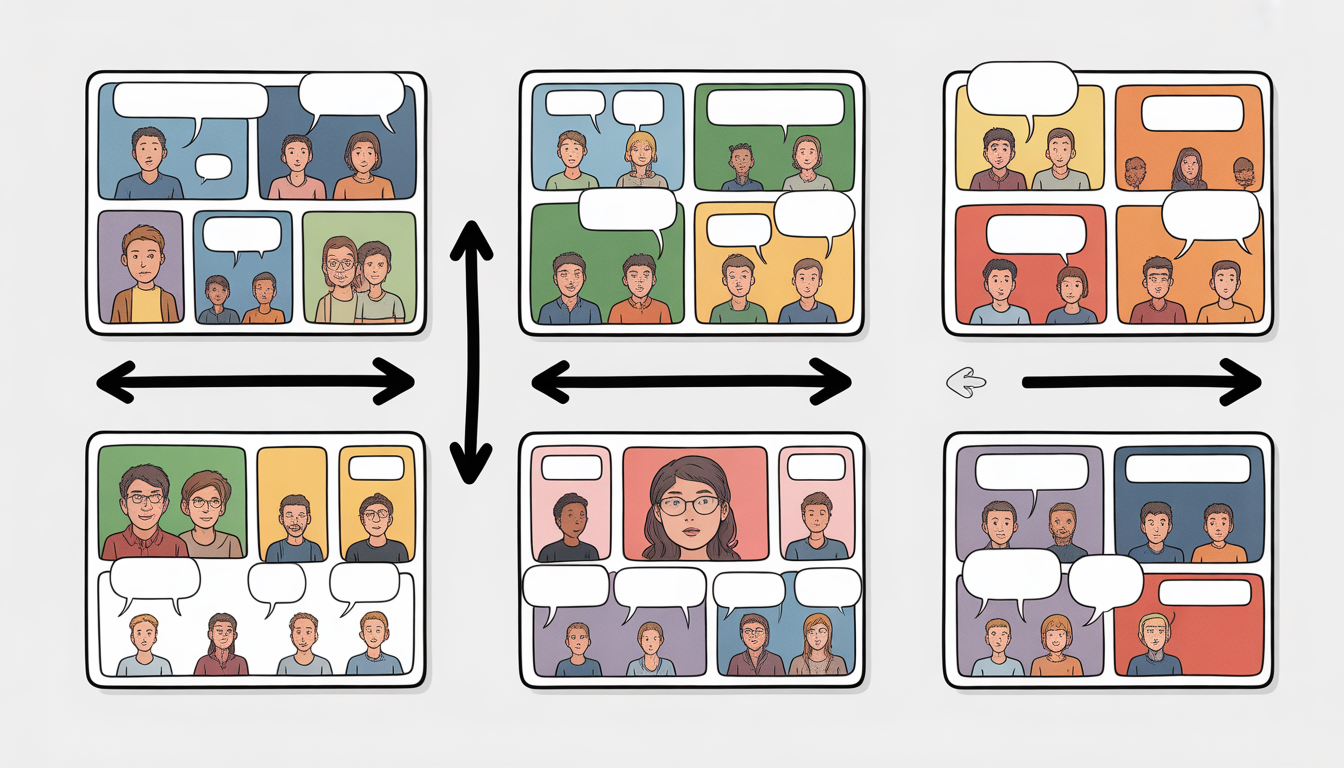
Comics are one of the most powerful storytelling formats in the world. They combine visual art and written storytelling to create immersive narratives that appeal to readers of all ages. If you’ve ever said, “Teach me first comic”, you’re not alone. Many beginners want to understand how comics work, how to read them properly, and even how to create their own.
In this complete guide, you’ll learn everything from the history of comics to how to read, analyze, and create your first comic. Whether you’re a curious reader, a student, or someone dreaming of becoming a comic creator, this article will walk you through the basics step by step.
What Is a Comic?
A comic is a form of storytelling that combines illustrations, panels, and text to convey a narrative. Unlike traditional novels, comics rely heavily on visual cues and sequential art to communicate actions, emotions, and dialogue.
The modern comic industry is strongly associated with publishers such as:
- Marvel Comics
- DC Comics
These companies popularized superhero comics featuring characters like Spider-Man, Batman, and Superman, helping comics become a global entertainment medium.
However, comics exist in many forms:
- Comic strips (newspapers)
- teach me first comic
- Graphic novels
- Webcomics
- Manga (Japanese comics)
Each style follows the same fundamental principle: sequential visual storytelling.
The History of Comics
Understanding comics becomes easier when you know where they came from.
Early Origins
Visual storytelling existed long before modern comics. Ancient civilizations used sequential images to tell stories.
Examples include:
- Egyptian hieroglyphics
- Medieval tapestries
- Illustrated manuscripts
These early forms resemble modern comics because they used images arranged in sequence to narrate events.
The Rise of Modern Comics
Modern comics began in the late 19th and early 20th centuries with newspaper comic strips. Characters like The Yellow Kid helped establish comics as a popular entertainment medium.
Later, publishers such as Marvel Comics and DC Comics turned comic books into a massive industry during the Golden Age of Comics (1938–1956).
Superheroes became cultural icons and comics started influencing movies, television, and games.
Why Comics Are Powerful Storytelling Tools
Comics are unique because they combine three storytelling methods at once:
- Visual art
- Written dialogue
- Narrative pacing
This combination makes comics extremely engaging.
Key Advantages of Comics
- Easier to understand complex stories
- Visually memorable
- Great for education
- Accessible for all ages
Even educators use comics to explain topics like science, history, and psychology.
A famous comic theory book is Understanding Comics, which explains how comics communicate ideas through art and design.
Basic Elements of a Comic
To truly understand comics, you must learn their core components.
1. Panels
Panels are the individual frames that contain scenes in a comic.
They control the pacing of the story.
Example:
| Panel Type | Purpose |
|---|---|
| Small panel | Fast action |
| Large panel | Important moment |
| Splash page | Big dramatic scene |
Panels guide the reader’s eye from left to right and top to bottom.
2. Gutters
The gutter is the space between panels.
Readers mentally fill in what happens between panels. This is called closure, an important storytelling technique in comics.
Example:
Panel 1: A hero raises his sword.
Panel 2: The villain is defeated.
Your brain fills the action between those two panels.
3. Speech Bubbles
Speech bubbles display dialogue.
Common types include:
- Oval bubbles → normal speech
- Cloud bubbles → thoughts
- Jagged bubbles → shouting
They help readers identify who is speaking.
4. Narration Boxes
Narration boxes provide context or storytelling from an outside voice.
Example:
“Meanwhile, in another part of the city…”
These boxes help move the story forward.
5. Sound Effects
Comics often use sound words to enhance action.
Examples:
- BOOM
- CRASH
- WHOOSH
These effects add excitement and motion to the story.
How to Read a Comic Properly
Many beginners feel confused when reading comics for the first time.
Follow these steps.
Step 1: Follow Panel Order
Most Western comics are read:
Left → Right
Top → Bottom
Japanese manga is read in reverse.
Step 2: Look at the Artwork First
Before reading dialogue, observe:
- Character expressions
- Background details
- Action scenes
The art tells half the story.
Step 3: Read Dialogue and Narration
Speech bubbles guide the conversation.
Usually they follow a left-to-right order inside each panel.
Step 4: Imagine the Motion
Between panels, imagine what happened.
This is where the reader becomes part of the storytelling process.
Types of Comics
Comics exist in many formats.
Comic Strips
Short humorous comics in newspapers.
Examples:
- Garfield
- Peanuts
Comic Books
Traditional printed issues often released monthly.
Superhero comics dominate this category.
Graphic Novels
Longer stories published as books.
Examples include complex narratives and deeper character development.
Webcomics
Online comics published on websites or social media.
Many modern creators start their careers through webcomics.
Related: [How to Start a Webcomic From Scratch]
How to Create Your First Comic
If you’re saying “teach me first comic”, you’re probably interested in creating one too.
Here is a simple beginner workflow.
Step 1: Start With a Simple Idea
Your first comic doesn’t need to be complex.
Example ideas:
- A funny school moment
- A superhero discovering powers
- A short mystery story
Keep it simple and short.
Step 2: Write a Short Script
Example:
Panel 1
A boy looks at a strange glowing rock.
Panel 2
The rock begins to float.
Panel 3
The boy screams in surprise.
Panel 4
The rock transforms into a tiny alien.
Step 3: Sketch Panel Layout
Draw rough boxes representing panels.
Example layout:
| Page | Panels |
|---|---|
| Page 1 | 4 panels |
| Page 2 | 3 panels |
| Page 3 | splash page |
This helps plan pacing.
Step 4: Draw Characters
Start simple.
You can use:
- stick figures
- basic shapes
- cartoon styles
Focus on storytelling first, not perfect art.
Step 5: Add Dialogue
Keep dialogue short and natural.
Good comic dialogue:
- quick
- clear
- expressive
Avoid long paragraphs.
Step 6: Add Final Details
Finalize:
- speech bubbles
- sound effects
- background details
Now your comic is ready.
Example of a Simple Comic Story
Here is a beginner comic idea.
Title: The Talking Cat
Panel 1
A boy hears a noise in his room.
Panel 2
His cat suddenly speaks.
Panel 3
The cat says: “Finally… you can hear me.”
Panel 4
The boy faints.
This simple idea could become a fun 1-page comic.
Tools for Creating Comics
Today, creators have many tools available.
Digital Tools
| Tool | Purpose |
|---|---|
| Clip Studio Paint | Professional comic creation |
| Procreate | Digital drawing |
| Canva | Simple comic layouts |
| Photoshop | Advanced editing |
Traditional Tools
Many artists still prefer traditional methods.
Tools include:
- pencils
- ink pens
- brushes
- comic paper
Both approaches work equally well.
Tips for Beginner Comic Creators
If you’re starting your first comic, follow these tips.
Focus on Story First
A great story matters more than perfect art.
Practice Panel Flow
Good comics guide the reader naturally.
Avoid confusing layouts.
Study Professional Comics
Look at how professionals design pages.
Popular comics from Marvel Comics and DC Comics are great learning tools.
Keep Your First Comic Short
Start with:
- 1 page
- 4–8 panels
- simple story
Then gradually expand.
SEO Keywords Related to “Teach Me First Comic”
For SEO optimization, here are related semantic keywords:
- how to read comics
- comic book beginner guide
- how to make a comic
- comic storytelling basics
- comic panel layout
- beginner comic creation
Using these keywords helps search engines understand your content better.
Suggested Images for the Article
Image Ideas
- Comic panel layout example
- Speech bubble types diagram
- Comic storytelling flow chart
- Beginner comic page sample
Example Alt Text
- “comic panel layout example for beginners”
- “speech bubbles in comic books”
- “how comics tell stories visually”
- “simple comic page structure”
Optimized alt text improves image SEO and accessibility.
Internal Linking Opportunities
Add internal links to improve SEO and user experience.
Examples:
- Related: [Best Websites to Read Comics Online]
- Related: [How to Draw Comic Characters Step by Step]
- Related: [Top Graphic Novels for Beginners]
Internal links help search engines crawl your website more effectively.
Frequently Asked Questions (FAQ)
What is the easiest way to start reading comics?
Start with short standalone stories or graphic novels. These are easier to follow compared to long comic series with complex timelines.
Focus on understanding:
- panel flow
- dialogue bubbles
- visual storytelling
Once comfortable, you can explore larger comic universes.
Do I need to be good at drawing to create comics?
No.
Many successful comics use simple art styles. What matters most is:
- storytelling
- creativity
- character development
Even stick-figure comics can become popular if the story is entertaining.
How many panels should a beginner comic have?
A beginner comic should start with:
- 4–8 panels
- 1 page
This keeps the project manageable and helps you learn the basics.
What software is best for creating comics?
Some popular comic creation tools include:
- Clip Studio Paint
- Procreate
- Photoshop
- Canva
However, beginners can start with pencil and paper before moving to digital tools.
How long does it take to create a comic?
It depends on complexity.
Simple comics can take:
- 1–2 hours for sketches
- 1 day for complete finishing
Professional comics may take weeks or months.
Conclusion
Learning comics for the first time is an exciting journey. If you’ve been searching “teach me first comic”, the key is understanding the fundamentals:
- panels
- speech bubbles
- visual storytelling
- pacing
Comics are more than just drawings—they are a powerful storytelling medium used worldwide. From superhero epics to funny webcomics, the possibilities are endless.