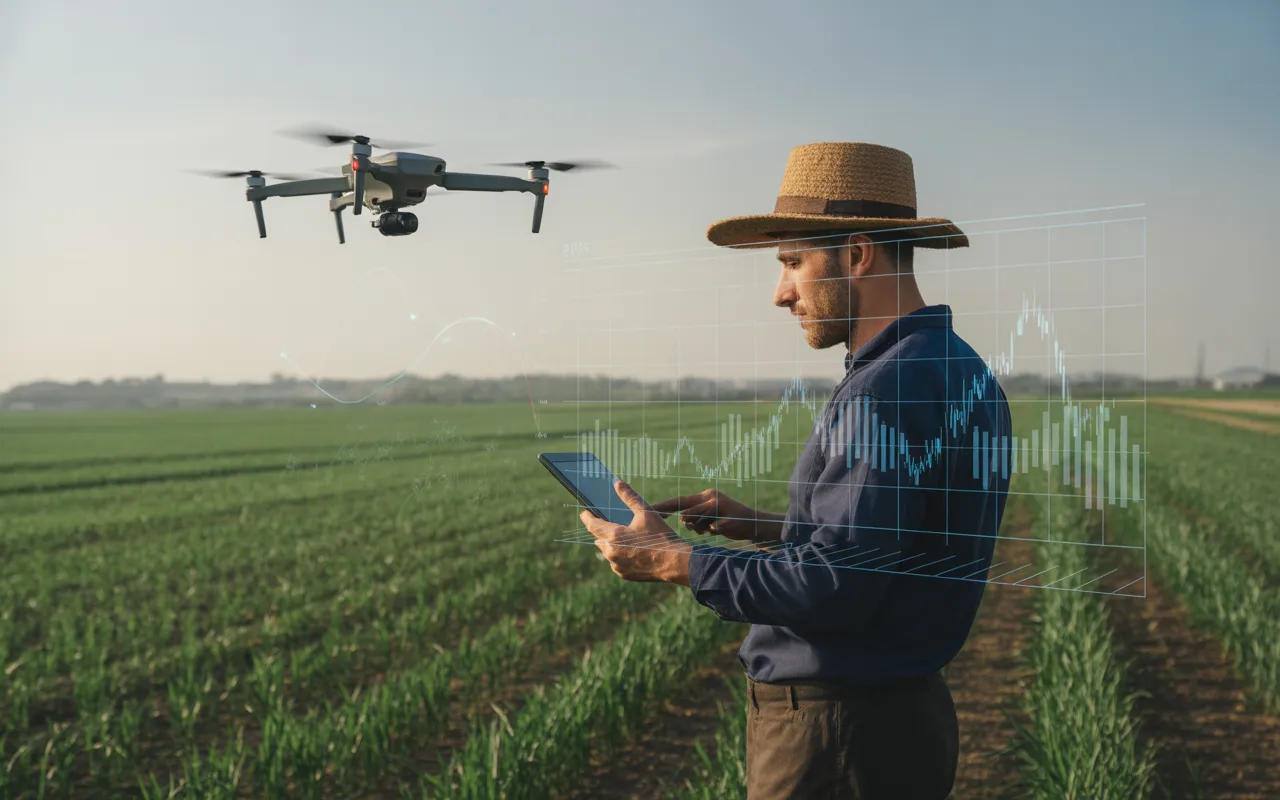
Agriculture has always been the backbone of global economies. However, in recent years, the financial side of agriculture—commonly known as agrifinance—has attracted significant attention from investors, governments, and financial institutions. The growing demand for food, climate challenges, and technological advancements have made agrifinance one of the most promising sectors for investment.
In the latest investing news agrifinance, experts highlight that agricultural finance is becoming a major driver of economic growth and sustainable development. From crop production financing to agritech investments, the industry is evolving rapidly.
This guide explores agrifinance investing trends, opportunities, risks, and strategies for investors interested in agricultural markets.
What Is Agrifinance?
Agrifinance refers to financial services specifically designed for the agriculture sector. These services support farmers, agribusinesses, and agricultural supply chains by providing funding for operations, equipment, infrastructure, and innovation.
According to World Bank, access to agricultural finance is essential for improving productivity and reducing poverty in rural economies.
Agrifinance includes:
- Agricultural loans
- Crop insurance
- Supply chain financing
- Agritech investments
- Commodity trading
- Agricultural infrastructure funding
Financial institutions use agrifinance to support farmers, food producers, and agricultural companies while generating investment returns.
Why Agrifinance Is Gaining Investor Attention
Recent investing news agrifinance shows that agricultural finance is experiencing rapid growth due to several global trends.
1. Rising Global Food Demand
The global population is expected to reach 9.7 billion by 2050, according to the United Nations. This population growth will significantly increase food demand.
As a result:
- Agricultural production must increase
- Farms require more capital
- Investment opportunities grow
This demand makes agrifinance a stable long-term investment sector.
2. Technology Transforming Agriculture
Modern agriculture is no longer limited to traditional farming methods. Technology has introduced innovations such as:
- Precision farming
- AI crop monitoring
- Smart irrigation systems
- Agricultural drones
- Blockchain supply chain tracking
Companies developing these technologies fall under agritech, which is a major component of agrifinance investment.
For example, data-driven farming solutions often rely on satellite technology provided by organizations like NASA.
3. Climate Change and Sustainable Agriculture
Climate change is forcing farmers and investors to focus on sustainable farming practices.
Investment areas include:
- Climate-resilient crops
- Sustainable irrigation systems
- Soil health technologies
- Renewable energy for farms
Organizations such as the Food and Agriculture Organization promote sustainable agriculture financing globally.
Key Components of Agrifinance
Agrifinance includes several investment categories. Understanding these categories helps investors identify profitable opportunities.
| Agrifinance Sector | Description | Example Investment |
|---|---|---|
| Farm Loans | Financing for farmers | Crop production loans |
| Agritech | Technology used in farming | Smart irrigation systems |
| Commodity Markets | Agricultural product trading | Wheat, corn, soybeans |
| Supply Chain Finance | Funding for food distribution | Storage and transport |
| Crop Insurance | Protection against weather risks | Insurance companies |
Each sector offers unique risk and return profiles.
Latest Investing News Agrifinance Trends
Agrifinance is evolving quickly due to technological advancements and economic shifts.
1. Rise of Agritech Startups
Agritech startups are attracting venture capital worldwide. These startups develop solutions such as:
- Automated farm equipment
- AI crop prediction tools
- Digital marketplaces for farmers
Investors are particularly interested in companies that improve productivity and sustainability.
2. Digital Lending for Farmers
Traditional agricultural loans often require long approval processes. Digital platforms now allow farmers to access financing quickly.
Features include:
- Mobile loan applications
- AI credit scoring
- Blockchain transaction security
Digital agrifinance platforms help small-scale farmers access financial services.
3. Impact Investing in Agriculture
Impact investing focuses on financial returns and social impact. Agriculture is a major sector for this investment strategy.
Investors aim to:
- Reduce hunger
- Improve rural economies
- Support sustainable farming
Global organizations like International Fund for Agricultural Development promote impact-focused agrifinance programs.
Benefits of Investing in Agrifinance
Agrifinance offers several advantages compared to traditional investment sectors.
Stable Long-Term Demand
Food demand remains consistent regardless of economic cycles.
Portfolio Diversification
Agriculture provides diversification because it does not always move with stock markets.
Environmental and Social Impact
Investing in agriculture supports:
- Food security
- Rural employment
- Sustainable farming
Risks in Agrifinance Investment
Like any investment sector, agrifinance also carries risks.
Weather and Climate Risks
Agriculture depends heavily on weather conditions.
Extreme weather events can impact:
- Crop yields
- Commodity prices
- Supply chains
Market Volatility
Agricultural commodities can fluctuate due to:
- Global trade policies
- Supply shortages
- Currency fluctuations
Infrastructure Challenges
In developing countries, agricultural supply chains may face issues such as:
- Poor transportation networks
- Lack of storage facilities
- Limited access to technology
Investors must carefully analyze these factors before investing.
Examples of Agrifinance Investment Opportunities
Investors can participate in agrifinance through multiple channels.
Agricultural Stocks
Public companies involved in agriculture provide stock investment opportunities.
Examples include:
- Farm equipment manufacturers
- Seed companies
- Fertilizer producers
Agritech Venture Capital
Many venture capital firms are investing in agritech startups.
These startups focus on:
- Precision farming
- Robotics
- Sustainable agriculture technologies
Agricultural Commodities
Investors can trade agricultural commodities such as:
- Wheat
- Corn
- Coffee
- Soybeans
Commodity markets play a crucial role in agrifinance.
Agrifinance Investment Strategy
Investors should adopt a structured strategy when investing in agrifinance.
Key Steps
- Research agricultural market trends
- Evaluate climate and environmental factors
- Analyze supply chain stability
- Diversify across agrifinance sectors
- Monitor government policies
A diversified portfolio reduces risk while maximizing potential returns.
Example Agrifinance Investment Portfolio
Below is a sample diversified agrifinance portfolio.
| Investment Type | Allocation |
|---|---|
| Agricultural Stocks | 30% |
| Agritech Startups | 25% |
| Commodity ETFs | 20% |
| Farm Real Estate | 15% |
| Sustainable Agriculture Funds | 10% |
This type of diversification balances risk and long-term growth.
SEO Optimization Tips for Agrifinance Content
If you run a financial blog or investment website, optimizing agrifinance content for SEO can attract targeted readers.
Primary Keyword
- investing news agrifinance
Semantic Keywords
- agricultural finance investment
- agritech investment trends
- agriculture investment opportunities
- farm financing news
- sustainable agriculture investing
On-Page SEO Best Practices
- Use the keyword in H1, H2, and meta tags
- Include structured headings
- Add tables and bullet points
- Insert internal links
Example:
Related: [Your Article Title]
The Future of Agrifinance
Experts believe agrifinance will become a multi-trillion-dollar industry in the coming decades.
Future developments include:
- AI-driven farming analytics
- Climate-smart agriculture
- Blockchain food supply chains
- Global agricultural investment funds
Agriculture will remain a critical sector for global economic stability.
Frequently Asked Questions (FAQ)
What is agrifinance?
Agrifinance refers to financial services and investments that support agricultural activities such as farming, crop production, agritech development, and supply chain operations.
Why is agrifinance important for investors?
Agrifinance provides exposure to the global food industry, which has stable demand and long-term growth potential due to population growth.
What are the best agrifinance investment options?
Some of the most popular options include:
- Agricultural stocks
- Agritech startups
- Commodity trading
- Farm real estate
- Sustainable agriculture funds
Is agrifinance a safe investment?
While agrifinance can offer stable returns, it also carries risks such as weather changes, commodity price fluctuations, and infrastructure challenges.
Diversification helps reduce these risks.
How does technology impact agrifinance?
Technology improves farming productivity through:
- Artificial intelligence
- Precision agriculture
- Smart irrigation systems
- Digital financial platforms
These innovations attract significant investor interest
Conclusion
The latest investing news agrifinance highlights a rapidly growing sector with significant opportunities for investors worldwide. As global food demand rises and technology transforms agriculture, agrifinance is becoming a powerful investment landscape.
From agritech startups to commodity markets and sustainable farming initiatives, the sector offers multiple ways to generate returns while supporting global food security.
For investors seeking long-term growth, diversification, and social impact, agrifinance is a compelling opportunity worth exploring.
If you want more insights about finance, investments, and emerging markets, explore more guides on our website.