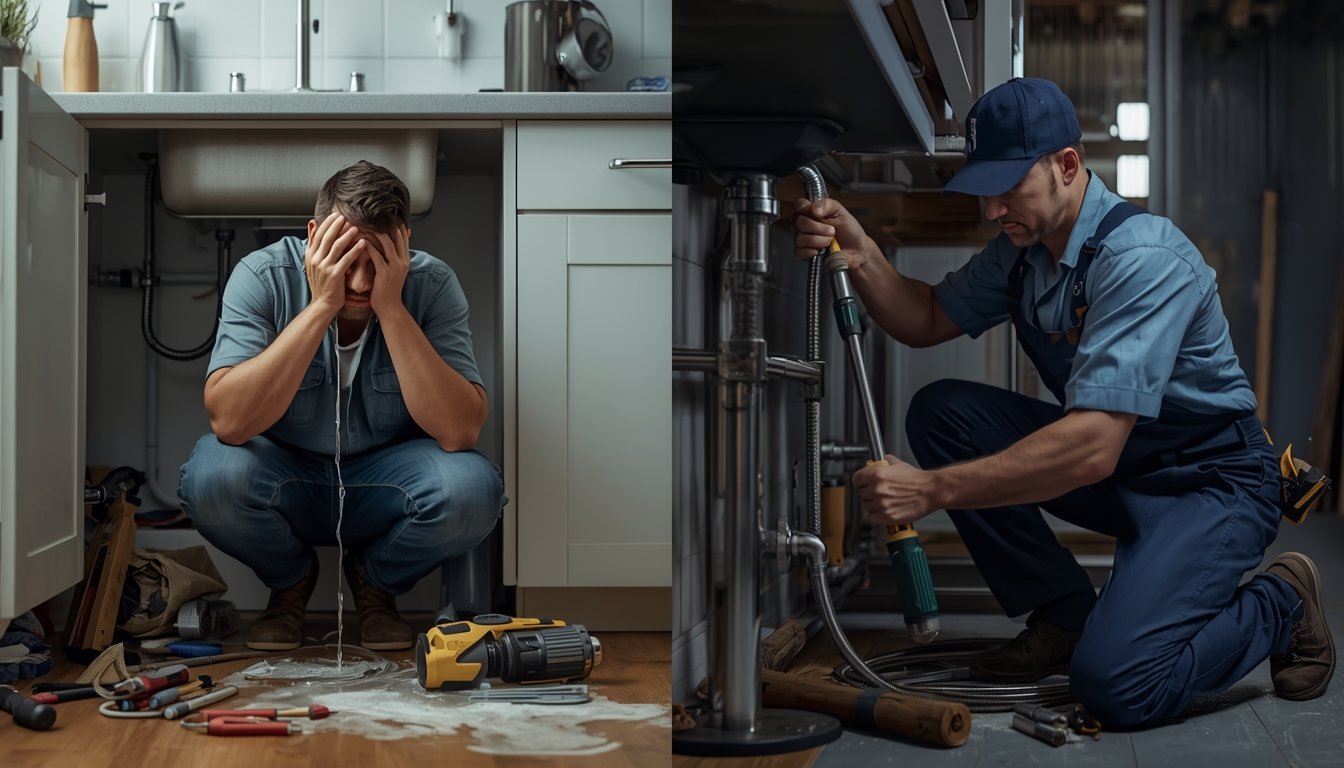
When a pipe bursts or a drain clogs, homeowners face a common dilemma: call a local plumbers or attempt a DIY repair? According to a survey by the Home Service Institute, approximately 23% of homeowners opt for DIY fixes to save on costs. Yet, the allure of savings must be weighed against the potential for costly mistakes.
Understanding the advantages and limitations of both approaches can save time, money, and frustration. Below, we dissect the key factors influencing whether to enlist professional help or tackle plumbing issues on your own.
local plumbersLocal Plumbers Versus DIY Repairs: Navigating the Decision
Deciding between hiring a local plumber or performing a DIY repair often boils down to expertise and equipment. While a professional plumber brings years of training and specialized tools to the job, homeowners usually possess a more limited set of resources. This initial mismatch may sway the decision towards professional assistance.
Support for this decision comes from industry statistics showing that plumbing-related callbacks for professional jobs are significantly lower than issues arising from amateur work. It’s clear that experience plays a critical role in the longevity and reliability of plumbing solutions.
For those still considering DIY, the guidance is straightforward: assess your skill level honestly and ensure you have the right tools. If either is lacking, the risk of exacerbating the problem increases, potentially leading to a more expensive professional fix later.
Assessing the Complexity of Plumbing Issues
The complexity of your plumbing issue can dictate the prudence of a DIY attempt. Simple tasks, like replacing a faucet washer, may be within reach of the average homeowner. Conversely, complex problems such as sewer line replacement require professional analysis, sophisticated gear, and adherence to local codes.
Supporting this is a statistic from the National Association of Plumbing Professionals, stating that 68% of plumbing repairs gone wrong involve jobs initially perceived as “simple” by homeowners. Misjudging complexity can thus turn small problems into big ones.
Homeowners should perform a risk assessment based on the complexity of the task. A good rule of thumb is to reserve DIY efforts for surface-level repairs and leave structural or system-wide issues to the professionals, which may involve seeking planning advice for major projects.
Cost Comparison: When to Invest in Professional Plumbing
Though it may seem counterintuitive, investing in professional plumbing services can be more cost-effective in the long run. Immediate costs for a professional may be higher, but the benefits include warranties, adherence to code, and preventing future problems due to improper repairs.
A study by the Institute for Plumbing Evaluation found that households that consistently opt for professional plumbing services spend 12% less on plumbing-related expenses over a 10-year period compared to those who frequently choose DIY repairs. Quality workmanship not only solves problems but also protects the home’s value.
Balancing the ledger requires a comprehensive view of costs, including materials, time, and potential damage from failed DIY attempts. Homeowners considering DIY should calculate these factors—if the sum approaches the cost of professional service, it is wise to opt for the latter.
Recognizing the Risks of DIY Plumbing Projects
DIY plumbing projects carry distinct risks ranging from water damage to violating building codes. Miscalculations can result in extensive water damage, which is especially costly and disruptive. Furthermore, personal injury is a genuine risk without proper safety protocols.
Evidence supporting the risks of DIY plumbing includes insurance claims data indicating that DIY-related water damage claims are typically 22% higher than those associated with professional repairs. This underlines the financial gamble homeowners take when they bypass professional expertise.
For the safety-conscious homeowner, recognizing these risks is essential. Before undertaking a DIY project, research the ramifications of failure, including potential insurance issues. Understanding the full scope of what’s at stake can guide homeowners toward making informed, safe decisions, especially for tasks exceeding their confidence levels.
Ultimately, wisely choosing between a local plumber and a DIY fix hinges on an informed assessment of the situation. Considering the complexity of the task, the risks involved, and the long-term costs, often makes the professional route the safer and more economically sensible choice. Remember to weigh both immediate and potential future consequences, as today’s savings could lead into tomorrow’s expenses if the repair goes awry.