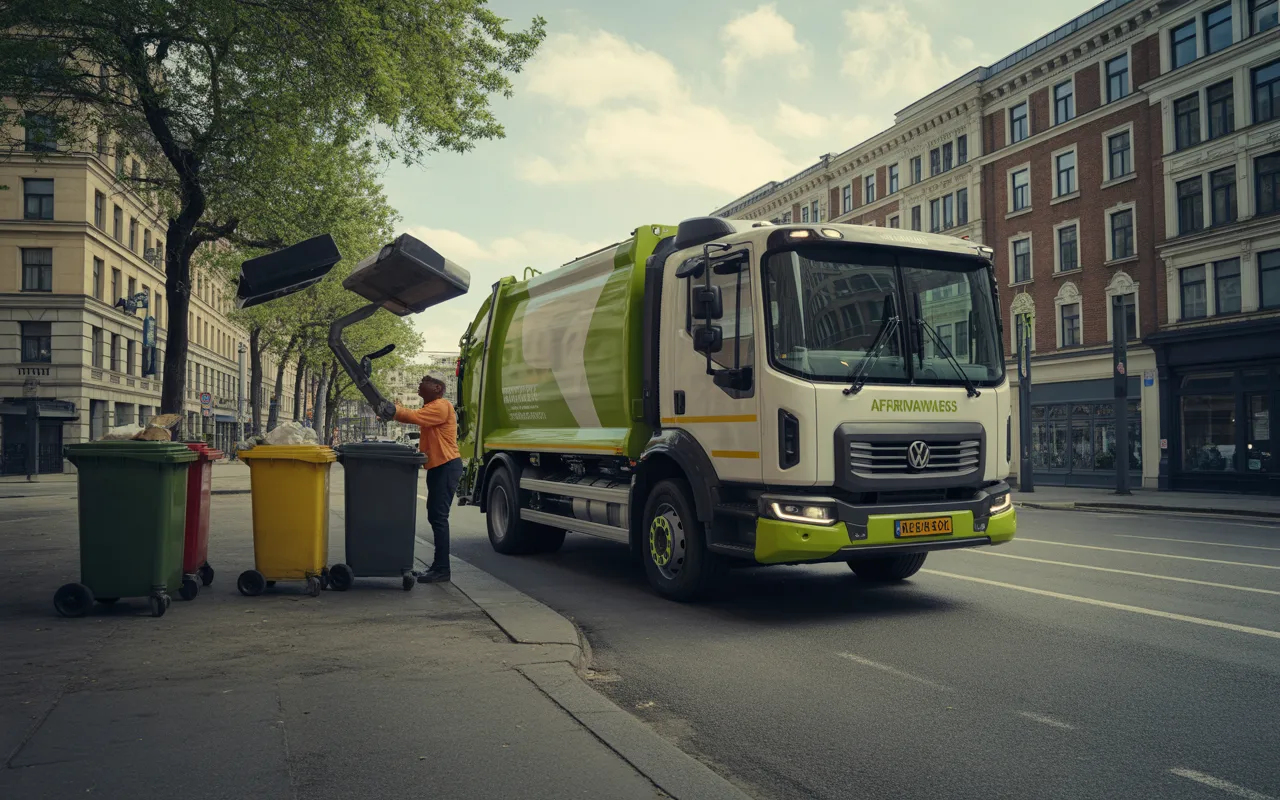
In many industries—especially logistics, waste management, event cleanup, construction, and municipal services—afruimwagens play an essential role. These specialized vehicles are designed to collect, remove, and transport unwanted materials efficiently. Whether it’s debris after construction, waste from large events, or bulk items from households, afruimwagens help keep operations organized and environments clean.
The term “afruimwagens” originates from the Dutch language and literally translates to “clearance vehicles” or “removal trucks.” They are commonly used across Europe in waste collection, property clearing, and industrial cleanup operations.
In this comprehensive guide, we will explore:
- What afruimwagens are
- Types of afruimwagens
- Their uses across industries
- Key benefits
- How businesses choose the right vehicle
- Cost considerations
- Future trends in cleanup and waste transport vehicles
By the end of this article, you’ll have a complete understanding of how these vehicles contribute to modern logistics and sanitation systems.
What Are Afruimwagens?
Afruimwagens are vehicles specifically designed to remove, collect, and transport waste, debris, or unwanted materials from a location to a disposal or recycling facility.
They are widely used in:
- Waste management companies
- Municipal sanitation departments
- Construction cleanup operations
- Moving and clearance services
- Event management companies
Unlike standard trucks, afruimwagens are often equipped with specialized loading mechanisms, compactors, hydraulic lifts, or large open containers that make the removal process faster and safer.
The History of Afruimwagens
The concept of specialized waste removal vehicles dates back to the early 20th century, when cities began modernizing sanitation systems.
Early Development
Initially, waste was transported using:
- Horse-drawn carts
- Simple open trucks
- Manual labor for loading
As cities grew, this method became inefficient and unsanitary.
Modernization
With technological advancements, waste collection vehicles evolved to include:
- Hydraulic compactors
- Automated lifting systems
- High-capacity containers
- Eco-friendly engines
Today’s afruimwagens are highly specialized machines designed to optimize efficiency and reduce environmental impact.
Types of Afruimwagens
Different industries require different types of clearance vehicles. Below are the most common types.
1. Garbage Collection Afruimwagens
These vehicles are used by municipalities to collect household waste.
Features include:
- Hydraulic bin lifters
- Waste compactors
- Sealed containers to prevent leakage
They help cities maintain hygiene and prevent environmental contamination.
2. Construction Debris Afruimwagens
Construction sites generate massive amounts of waste such as:
- Concrete
- Wood
- Metal scraps
- Packaging materials
Construction afruimwagens are designed with:
- Reinforced containers
- High weight capacity
- Easy unloading systems
3. Bulk Item Removal Trucks
These are used to remove large items like:
- Furniture
- Appliances
- Mattresses
- Office equipment
They often feature open containers or flatbed structures to accommodate oversized objects.
4. Industrial Cleanup Vehicles
Industrial facilities produce heavy or hazardous waste.
Industrial afruimwagens may include:
- Hazard-resistant containers
- Advanced filtration systems
- Specialized waste separation compartments
5. Event Cleanup Vehicles
Large events like festivals and concerts generate huge amounts of waste.
Event afruimwagens help manage:
- Food packaging
- Plastic bottles
- Decorations and structures
- Temporary equipment
These vehicles ensure quick cleanup after events.
Key Features of Modern Afruimwagens
Modern clearance vehicles are built for efficiency and safety.
Common Features
- Hydraulic lifting systems
- Automated loading mechanisms
- High-capacity containers
- Waste compaction technology
- GPS tracking for route optimization
- Fuel-efficient engines
These features significantly reduce labor requirements and operational costs.
Afruimwagens vs Standard Trucks
| Feature | Afruimwagens | Standard Trucks |
|---|---|---|
| Purpose | Waste and debris removal | General transportation |
| Loading | Automated systems | Manual loading |
| Capacity | Optimized for bulky waste | Standard cargo |
| Equipment | Compactors and lifters | Minimal specialized tools |
| Efficiency | High for cleanup tasks | Lower for waste removal |
This specialized design makes afruimwagens far more effective for waste management tasks.
Industries That Use Afruimwagens
Many industries rely on these vehicles daily.
Waste Management
The most common use is municipal garbage collection.
Benefits include:
- Efficient waste transport
- Reduced landfill overflow
- Improved city sanitation
Construction Industry
Construction sites generate massive debris.
Afruimwagens help:
- Remove rubble quickly
- Maintain safe work environments
- Transport materials for recycling
Property Clearance Services
Companies that clear homes or offices use these vehicles to remove:
- Old furniture
- Appliances
- Renovation waste
This is especially common during:
- Estate clearances
- Renovations
- Moving operations
Event Management
Large gatherings require immediate waste removal.
Afruimwagens help keep venues clean and safe.
Advantages of Using Afruimwagens
Using specialized clearance vehicles provides several benefits.
1. Efficiency
Large waste volumes can be handled quickly.
2. Cost Savings
Automated systems reduce manual labor.
3. Environmental Benefits
Many vehicles support:
- Recycling separation
- Reduced emissions
- Sustainable waste disposal
4. Improved Safety
Proper equipment reduces workplace injuries.
How Businesses Choose the Right Afruimwagen
Selecting the right vehicle depends on several factors.
Key Considerations
- Waste type
- Volume capacity
- Loading mechanism
- Operating environment
- Budget
Example Decision Table
| Business Type | Recommended Vehicle |
|---|---|
| Municipality | Compactor garbage truck |
| Construction company | Heavy-duty debris truck |
| Event organizer | Bulk removal vehicle |
| Property clearance company | Open container truck |
Choosing the right vehicle improves efficiency and reduces operating costs.
Cost of Afruimwagens
The price of afruimwagens varies depending on size and technology.
Average Price Range
| Vehicle Type | Price Range |
|---|---|
| Small removal truck | $30,000 – $60,000 |
| Municipal garbage truck | $120,000 – $350,000 |
| Industrial cleanup vehicle | $200,000 – $500,000 |
Costs may also include:
- Maintenance
- Fuel
- Insurance
- Driver training
Businesses often evaluate total cost of ownership (TCO) before purchasing.
Environmental Impact and Sustainability
Modern waste management focuses heavily on sustainability.
Afruimwagens are increasingly designed to support:
- Recycling programs
- Waste sorting
- Reduced emissions
- Electric or hybrid engines
Many cities are transitioning to electric garbage trucks to reduce pollution.
Future Trends in Afruimwagens
The industry continues evolving with new technologies.
Key Trends
1. Electric Waste Trucks
Reducing fuel consumption and emissions.
2. Smart Waste Collection
GPS and sensors optimize routes and pickup schedules.
3. Automated Loading Systems
Robotics reduce manual labor.
4. AI-Powered Waste Sorting
Artificial intelligence helps separate recyclable materials.
These innovations will make waste management more efficient and environmentally friendly.
On-Page SEO Optimization Tips
If you are creating content about afruimwagens, consider these SEO strategies.
Primary Keyword
- afruimwagens
Semantic Keywords (LSI)
- clearance vehicles
- waste removal trucks
- debris removal trucks
- garbage collection vehicles
- bulk waste transport
Suggested Headings
- What Are Afruimwagens
- Types of Afruimwagens
- Benefits of Afruimwagens
- Cost of Afruimwagens
- Future of Waste Collection Vehicles
Image SEO (Alt Text Examples)
- “afruimwagens waste collection truck”
- “construction debris removal vehicle”
- “municipal garbage truck afruimwagen”
- “industrial waste removal vehicle”
Internal Link Placeholders
- Related: [How Waste Management Systems Work]
- Related: [Best Recycling Methods for Cities]
- Related: [Construction Waste Disposal Guide]
Frequently Asked Questions (FAQ)
What does the word afruimwagens mean?
The term afruimwagens comes from Dutch and refers to vehicles used to clear or remove waste, debris, or unwanted items from a location.
What industries use afruimwagens?
Common industries include:
- Waste management
- Construction
- Property clearance
- Event management
- Municipal sanitation
How much does an afruimwagen cost?
Prices vary widely depending on size and technology. Small removal trucks may cost $30,000, while advanced municipal garbage trucks can exceed $300,000.
Are afruimwagens environmentally friendly?
Modern models are designed to reduce environmental impact through:
- Waste compaction
- Recycling separation
- Electric or hybrid engines
Can small businesses use afruimwagens?
Yes. Many small property clearance and moving companies use compact afruimwagens for removing furniture, appliances, and renovation debris.
Conclusion
Afruimwagens are an essential part of modern waste management and cleanup operations. These specialized vehicles help businesses, municipalities, and organizations efficiently remove waste, maintain cleanliness, and support environmental sustainability.
From construction sites to city streets and large events, afruimwagens ensure that debris and unwanted materials are transported safely and responsibly.
As technology continues to evolve, future clearance vehicles will become even more advanced—with electric engines, smart routing systems, and AI-powered waste sorting transforming the industry.
Call to Action
If you’re involved in waste management, construction, logistics, or property clearance, investing in the right afruimwagen can dramatically improve efficiency and sustainability.
Explore modern waste management solutions, optimize your cleanup operations, and stay ahead with the latest innovations in clearance vehicle technology.