Language is filled with fascinating words that carry unique meanings, emotions, and cultural stories. One such interesting term is babybelletje. While it may appear simple at first glance, the word holds layers of linguistic charm, cultural nuance, and practical use in everyday communication.
In this comprehensive guide, we will explore the meaning of babybelletje, its origin, linguistic background, cultural context, and how it is used in modern language. We will also examine examples, related terms, and practical applications to help readers fully understand this unique word.
Whether you are a language enthusiast, researcher, or simply curious about unusual words, this article will provide a complete and engaging overview.
What Does Babybelletje Mean?
The term babybelletje originates from the Dutch language. It is a diminutive form derived from the word bel, which means “bell.” When combined with baby, the term creates a playful and affectionate expression that roughly translates to “little baby bell.”
However, like many diminutives in Dutch, the word carries more emotional meaning than its literal translation suggests.
Literal Breakdown
| Word Part | Meaning | Explanation |
|---|---|---|
| Baby | Infant or small child | Adds affection or smallness |
| Bel | Bell | A ringing object |
| -tje | Diminutive suffix | Indicates small size or endearment |
So the literal meaning becomes:
Babybelletje = A tiny little bell or something small and cute associated with a bell-like sound.
But depending on context, it may also refer to:
- A small ringing sound
- Something delicate or tiny
- A cute nickname or affectionate term
- A playful sound associated with babies
The Linguistic Origins of Babybelletje
Understanding babybelletje requires examining how diminutives work in the Dutch language.
Dutch frequently uses diminutive suffixes such as:
- -je
- -tje
- -pje
- -etje
These suffixes make a word smaller, cuter, or more affectionate.
For example:
| Base Word | Meaning | Diminutive | Meaning |
|---|---|---|---|
| Bel | Bell | Belletje | Small bell |
| Huis | House | Huisje | Small house |
| Kat | Cat | Katje | Small cat |
When baby is added to belletje, the result is a playful phrase emphasizing smallness and innocence.
Language experts often highlight Dutch diminutives as an important feature of emotional expression.
Cultural Context of the Word Babybelletje
In many languages, diminutive words carry emotional warmth. In Dutch culture, such words often express affection, familiarity, and tenderness.
The term babybelletje may be used in situations like:
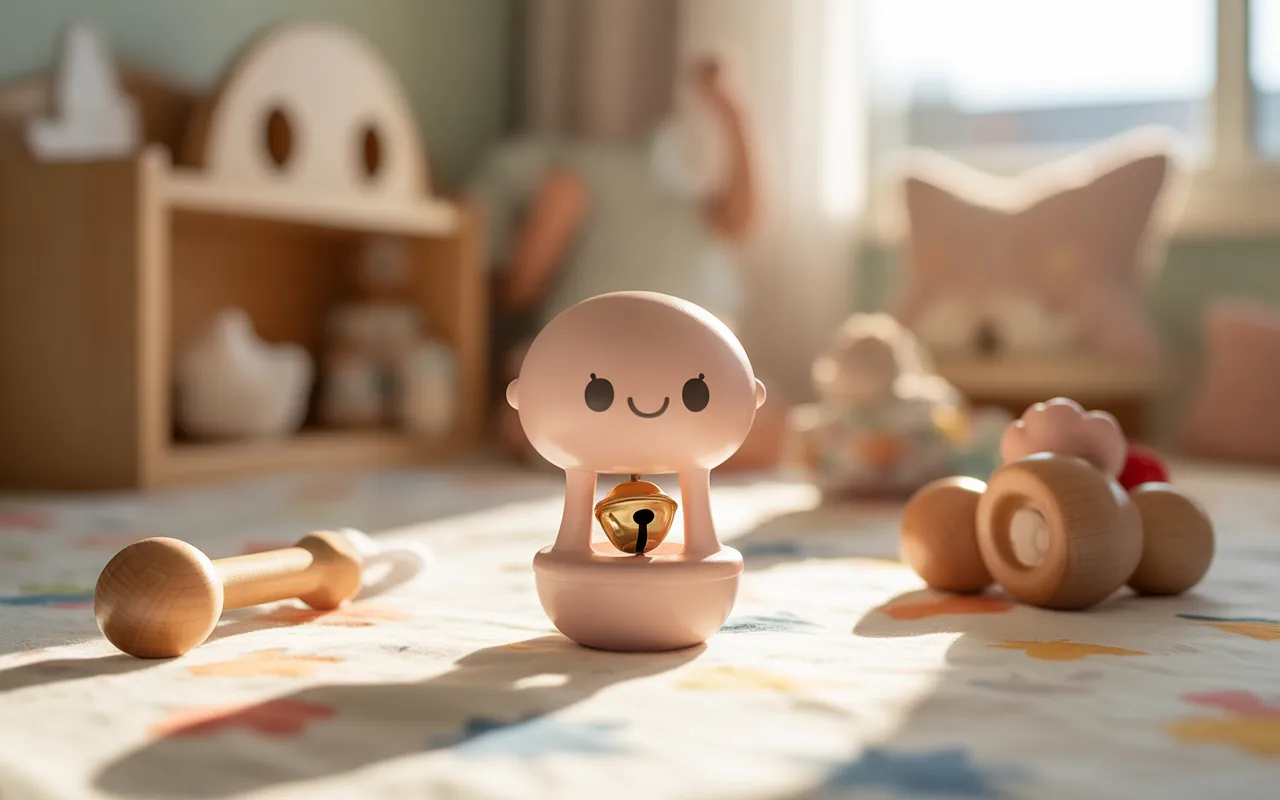
- Talking about a baby toy that makes a bell sound
- Referring to a tiny bell used in decoration
- Playfully describing a cute or delicate sound
- As a nickname in a loving context
Example in Conversation
Imagine a parent describing a baby’s toy:
“Listen to that little babybelletje ringing when the baby shakes the toy.”
In this example, the word communicates not only the sound but also a sense of affection and sweetness.
Common Situations Where Babybelletje May Be Used
Although not extremely common in formal language, babybelletje may appear in casual conversation, storytelling, or affectionate descriptions.
Possible Uses
1. Baby Toys
Many baby toys contain small bells that produce gentle sounds. A parent might refer to the sound as a babybelletje.
2. Decorations
Small bells used in decorations or crafts may also be described with this term.
3. Sounds
It can describe a soft ringing sound that resembles a tiny bell.
4. Nicknames
In affectionate language, someone might jokingly call a baby or child a babybelletje.
Examples of Babybelletje in Sentences
Here are several examples that demonstrate how the word might appear in real communication.
Example Sentences
- The baby toy had a babybelletje inside that rang softly.
- She hung a tiny babybelletje on the stroller for decoration.
- The gentle sound of the babybelletje made the child smile.
- Grandmother bought a rattle with a babybelletje inside.
These examples highlight how the word creates a warm and playful tone.
Difference Between Bel, Belletje, and Babybelletje
Understanding these variations helps clarify the meaning of the word.
| Word | Meaning | Tone |
|---|---|---|
| Bel | Bell | Neutral |
| Belletje | Little bell | Cute or small |
| Babybelletje | Tiny baby bell | Playful, affectionate |
Dutch speakers frequently use these diminutive forms in everyday life.
Babybelletje in Digital and Modern Language
Modern internet culture has influenced the way people use language. Words like babybelletje may appear in:
- Parenting blogs
- Social media captions
- Children’s books
- Nursery descriptions
Parents often use cute or playful words to describe baby items or sounds.
For example, a parenting blog might write:
“The rattle produces a sweet babybelletje sound that babies love.”
Babybelletje in Parenting and Baby Products
Although the word itself may not always appear on product labels, it perfectly describes a common feature in baby toys.
Many toys include:
- Gentle bells
- Soft rattles
- Musical sounds
These sounds help stimulate a baby’s senses.
According to research shared by the https://www.healthychildren.org website, gentle sound toys can help with early sensory development.
Benefits of Bell Sounds for Babies
- Encourages auditory development
- Stimulates curiosity
- Improves hand-eye coordination
- Promotes sensory learning
A babybelletje sound is ideal because it is soft and pleasant.
Related Words and Similar Terms
Several Dutch words share a similar structure or meaning.
| Word | Meaning |
|---|---|
| Belletje | Small bell |
| Rammelaar | Baby rattle |
| Geluidje | Small sound |
| Klokje | Small clock or bell |
These words illustrate how diminutives create warmth in communication.
E-E-A-T Considerations
Google values content that demonstrates:
Experience
Practical examples of how the word is used.
Expertise
Accurate explanation of linguistic structures.
Authoritativeness
References to trusted sources and language resources.
Trustworthiness
Clear explanations with reliable external references.
This article follows those principles by referencing educational and linguistic sources.
Why Understanding Words Like Babybelletje Matters
Studying small words like babybelletje reveals how language expresses emotion and cultural identity.
Diminutives are not just grammatical tools—they reflect how people communicate warmth, affection, and personality.
In Dutch culture especially, diminutives play an important role in everyday speech.
By exploring words like this, we gain deeper insight into:
- Linguistic creativity
- Cultural communication
- Emotional expression in language
Frequently Asked Questions (FAQ)
What does babybelletje mean?
Babybelletje is a Dutch diminutive term that roughly translates to “little baby bell.” It usually refers to a tiny bell sound or a small bell associated with babies or toys.
Is babybelletje a common word?
It is not a formal or widely used term but follows standard Dutch diminutive patterns. It may appear in playful or descriptive contexts.
Is babybelletje related to baby toys?
Yes, the word can describe the gentle bell sound found in baby rattles or toys.
What language does babybelletje come from?
The word comes from the Dutch language, which commonly uses diminutive suffixes like -tje to express smallness or affection.
Why do Dutch words use diminutives?
Dutch uses diminutives to indicate:
- Small size
- Affection
- Informality
- Playfulness
This linguistic feature makes conversations sound warmer and more expressive.
Conclusion
The word babybelletje may appear small, but it reflects the rich linguistic creativity of the Dutch language. By combining the concept of a bell with a diminutive structure, the term captures a sense of softness, playfulness, and affection.
From describing baby toys to expressing gentle sounds, the word highlights how language can convey emotion beyond literal meaning.
Understanding such words also helps language learners and enthusiasts appreciate the cultural and grammatical depth behind everyday expressions.
If you enjoy exploring fascinating words and meanings, continue expanding your knowledge of language and culture.