
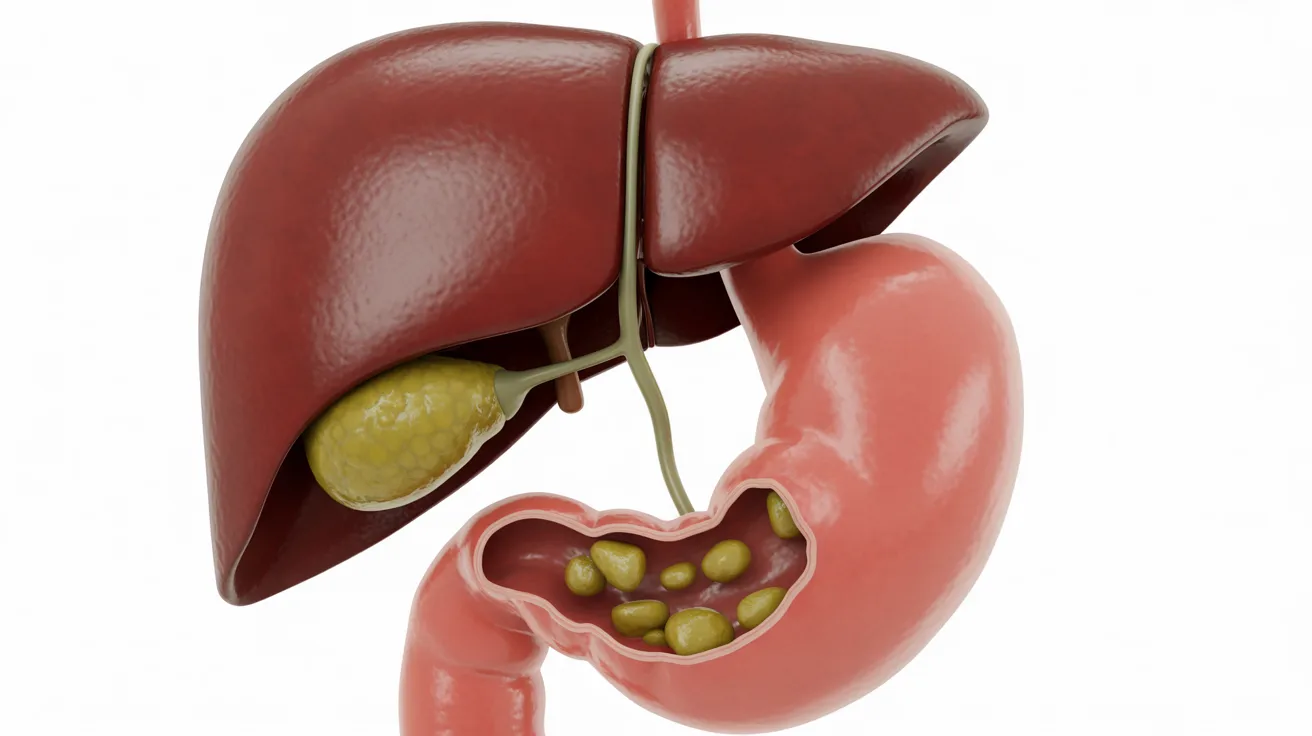
Cholerhiasis: Causes, Symptoms, Diagnosis, Treatment, and Prevention
Cholerhiasis is a medical condition that often goes unnoticed until it causes significant discomfort or complications. Despite being less commonly discussed than gallstones or liver disease, cholerhiasis plays an important role in the broader spectrum of biliary system disorders. Understanding this condition can help patients recognize early warning signs, seek timely medical care, and avoid long-term health risks.
In this in-depth guide, we’ll explore what cholerhiasis is, why it happens, how it’s diagnosed, and what treatment options are available, all while following Google’s E-E-A-T principles to ensure accuracy, trust, and clarity.What Is Cholerhiasis?
Cholerhiasis refers to the presence or formation of bile-related stones or deposits within the biliary system, particularly involving bile ducts. The term is derived from the Greek words:
- “Chole” – bile
- “Lithos” – stone
In simple terms, cholerhiasis involves biliary stone formation, which can disrupt the normal flow of bile and lead to digestive issues, inflammation, and infection if left untreated.
How Cholerhiasis Differs From Gallstones
While gallstones (cholelithiasis) form mainly in the gallbladder, cholerhiasis can involve bile ducts directly, making it potentially more dangerous due to the risk of obstruction.
| Condition | Location | Main Risk |
|---|---|---|
| Cholelithiasis | Gallbladder | Gallbladder inflammation |
| Cholerhiasis | Bile ducts | Bile flow obstruction |
| Choledocholithiasis | Common bile duct | Pancreatitis, jaundice |
Understanding the Biliary System
To fully grasp cholerhiasis, it’s essential to understand how the biliary system works.
Key Components of the Biliary System
- Liver – Produces bile
- Gallbladder – Stores bile
- Bile ducts – Transport bile to the intestine
- Small intestine – Uses bile for fat digestion
When bile composition becomes imbalanced, stones or thickened bile can develop, leading to cholerhiasis.
Causes of Cholerhiasis
Cholerhiasis does not develop overnight. It usually results from multiple contributing factors.
Primary Causes
1. Imbalance in Bile Composition
Bile contains cholesterol, bile salts, and bilirubin. When these components fall out of balance, solid deposits may form.
2. Bile Stasis
When bile flow slows or becomes stagnant, crystals can form and grow into stones.
3. Liver Dysfunction
Diseases affecting liver bile production increase the risk.
4. Infection or Inflammation
Chronic inflammation of bile ducts can promote stone formation.
Risk Factors
People at higher risk of developing cholerhiasis include:
- Adults over 40
- Individuals with obesity
- People with rapid weight loss
- Those with liver disease
- Pregnant individuals
- Patients with metabolic disorders
Types of Biliary Stones in Cholerhiasis
Cholerhiasis may involve different stone compositions.
Cholesterol Stones
- Yellow-green
- Most common
- Linked to high cholesterol bile
Pigment Stones
- Dark brown or black
- Related to liver disease or hemolytic disorders
Symptoms of Cholerhiasis
Symptoms vary depending on stone size, location, and obstruction severity.
Common Symptoms
- Upper right abdominal pain
- Nausea and vomiting
- Bloating after meals
- Fat intolerance
- Indigestion
Advanced or Severe Symptoms
- Jaundice (yellowing of skin and eyes)
- Fever and chills
- Dark urine
- Pale stools
- Severe abdominal pain radiating to the back
Medical emergency: Severe pain with fever may indicate infection.
Complications of Untreated Cholerhiasis
Ignoring symptoms can lead to serious complications:
- Cholangitis (bile duct infection)
- Pancreatitis
- Biliary cirrhosis
- Sepsis
Early diagnosis significantly reduces these risks.
Diagnosis of Cholerhiasis
Accurate diagnosis requires a combination of clinical evaluation and imaging.
Physical Examination
Doctors assess pain location, tenderness, and jaundice signs.
Laboratory Tests
- Liver function tests (ALT, AST, ALP)
- Bilirubin levels
- White blood cell count
Imaging Tests
| Test | Purpose |
|---|---|
| Ultrasound | Detects stones |
| MRCP | Detailed bile duct imaging |
| CT Scan | Identifies complications |
| ERCP | Diagnosis + treatment |
Treatment Options for Cholerhiasis
Treatment depends on symptom severity and stone location.
Non-Surgical Treatments
1. Medications
- Bile acid therapy (ursodeoxycholic acid)
- Reduces cholesterol stone formation
2. Antibiotics
- Used if infection is present
Minimally Invasive Procedures
ERCP (Endoscopic Retrograde Cholangiopancreatography)
- Removes bile duct stones
- Relieves obstruction
Surgical Treatment
Cholecystectomy
- Removal of gallbladder
- Prevents recurrence
Recovery and Prognosis
Most patients recover well with proper treatment.
- ERCP recovery: 1–2 days
- Surgery recovery: 1–2 weeks
- Long-term outlook: Excellent with lifestyle changes
Prevention of Cholerhiasis
Preventive strategies focus on healthy bile flow.
Lifestyle Changes
- Maintain healthy weight
- Eat balanced, fiber-rich diet
- Avoid rapid weight loss
- Stay hydrated
Dietary Recommendations
- Fruits and vegetables
- Whole grains
- Lean protein
- Healthy fats (olive oil)
Cholerhiasis vs Related Conditions
| Condition | Difference |
|---|---|
| Gallstones | Gallbladder only |
| Cholerhiasis | Bile ducts |
| Hepatitis | Liver inflammation |
| Pancreatitis | Pancreas inflammation |
Frequently Asked Questions (FAQs)
What is cholerhiasis in simple terms?
Cholerhiasis is the formation of bile-related stones within the bile ducts, which can block bile flow and cause pain or infection.
Is cholerhiasis life-threatening?
It can be if left untreated, especially when infection or pancreatitis develops.
Can cholerhiasis go away on its own?
Small stones may pass, but most cases require medical treatment.
How is cholerhiasis different from gallstones?
Gallstones form in the gallbladder, while cholerhiasis affects bile ducts directly.
What foods should be avoided?
High-fat, fried, and processed foods can worsen symptoms.
Final Thoughts and Call to Action
Cholerhiasis may not be a household term, but its impact on digestive and liver health is significant. Early recognition, accurate diagnosis, and proper treatment can prevent serious complications and restore quality of life.
If you or someone you know experiences persistent abdominal pain, jaundice, or digestive discomfort, don’t ignore the signs. Consult a healthcare professional and prioritize your biliary health.
Leave a Reply